
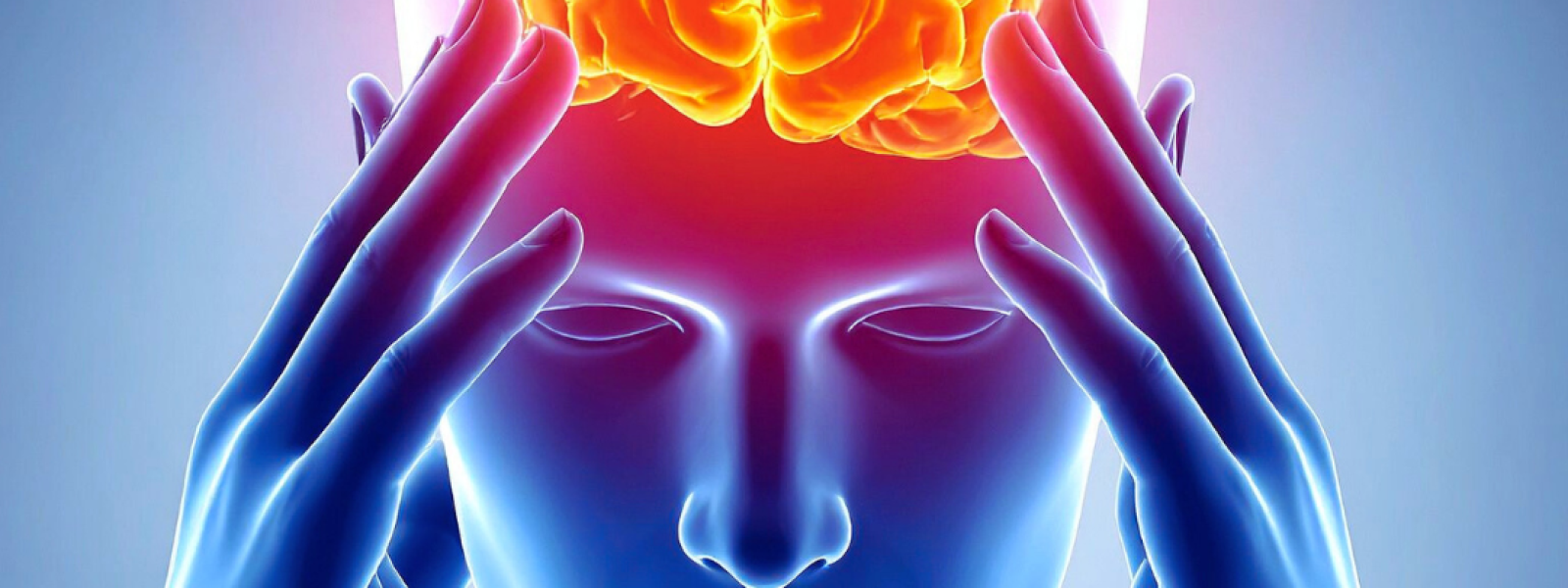
When the human body encounters stressors, it triggers a complex stress response designed to help it cope with potential threats. This response involves multiple systems working together to prepare the body for immediate action, such as increased heart rate and heightened alertness.
The human body adapts to stress by engaging its nervous, endocrine, and immune systems to manage and eventually return to a balanced state. Over time, repeated exposure to stressors can influence how effectively this response functions, sometimes enhancing resilience or, in other cases, leading to harmful effects.
Understanding how the body reacts and adapts to stress is key to recognising the balance between helpful and damaging stress effects. This knowledge sheds light on why some people handle pressure better and how chronic stress can impact overall health.
Key Mechanisms of Stress Adaptation
The body utilises specific systems and chemicals to respond efficiently to stress. These processes regulate energy, maintain balance, and prepare the individual for immediate action or recovery.
The Role of the HPA Axis
The hypothalamic-pituitary-adrenal (HPA) axis is central to the stress response. When stress is detected, the hypothalamus releases corticotropin-releasing hormone (CRH), signalling the pituitary gland to produce adrenocorticotropic hormone (ACTH).
ACTH travels to the adrenal glands, prompting the release of glucocorticoids like cortisol. Cortisol increases glucose availability for energy and suppresses non-essential functions such as digestion and immune activity during stress.
The HPA axis operates via feedback loops. Elevated cortisol levels signal the hypothalamus and pituitary gland to reduce hormone release, preventing excessive stress response and helping the body return to homeostasis.
Function of the Autonomic Nervous System
The autonomic nervous system (ANS) manages involuntary functions during stress. It includes the sympathetic nervous system (SNS) and the parasympathetic nervous system (PNS), which act in opposition to maintain balance.
During stress, the SNS triggers the fight-or-flight response. It activates the adrenal medulla to release adrenaline (epinephrine), which increases heart rate, blood pressure, and redirects blood flow to muscles.
Once the threat passes, the PNS restores calm by slowing the heart rate and promoting digestion and energy conservation. This dynamic allows the body to quickly adapt and then recover after stress exposure.
Neurotransmitters and Stress Hormones
Stress triggers various neurotransmitters and hormones that modify brain and body functions. The amygdala plays a crucial role in recognising threats and activating these chemical signals.
Adrenaline enhances alertness and energy. Cortisol helps sustain longer-term energy availability and supports cellular repair, but can suppress immune function if prolonged.
Other neurotransmitters, such as norepinephrine, fine-tune the stress response by increasing attention and facilitating quick reactions. This complex biochemical interaction supports survival during acute and chronic stress.
Types of Stress and Their Physiological Effects
Stress manifests in several forms, each triggering different reactions in the body. The impact varies from short bursts of physical readiness to long-term strain that affects health and well-being.
Acute, Chronic, and Traumatic Stress
Acute stress is brief and intense, typically arising from immediate challenges like a sudden deadline or a near-accident. It activates the “fight or flight” response, raising heart rate and blood pressure temporarily. This type can enhance focus and performance but dissipates after the event.
Chronic stress persists over weeks, months, or even years. It contributes to sustained high blood pressure, weakens the immune system, and is linked to conditions like anxiety and depression. Continuous physiological changes increase the risk of stress-related disorders.
Traumatic stress results from severe incidents such as accidents, assaults, or disasters. It can lead to post-traumatic stress disorder (PTSD), causing long-lasting symptoms including flashbacks, heightened anxiety, and disrupted sleep. PTSD profoundly alters brain chemistry and stress hormone regulation.
Physiological and Psychological Responses
Stress triggers a cascade of physiological changes. The hypothalamic-pituitary-adrenal (HPA) axis releases cortisol, which increases glucose availability and suppresses non-essential functions like digestion. Simultaneously, the sympathetic nervous system raises heart rate and blood pressure to prepare the body for rapid action.
Psychologically, stress can cause anxiety, irritability, and difficulty concentrating. Prolonged exposure often leads to depression or other mood disorders. These mental effects correlate with physiological markers such as elevated blood pressure and persistent inflammation.
Repeated activation of stress responses can wear down bodily systems, contributing to hypertension and other chronic conditions. The combined physiological and psychological burden increases vulnerability to stress-related illnesses.
Eustress Versus Distress
Eustress is positive stress that motivates individuals and improves performance. It arises from challenges perceived as manageable, fostering growth and resilience without causing harm. Examples include learning a new skill or preparing for a competition.
Distress, on the other hand, is negative stress that overwhelms coping mechanisms. It impairs functioning and can lead to harmful physiological changes such as sustained high blood pressure and increased risk of stress-related disorders. Distress often accompanies anxiety or depression.
Balancing eustress and distress involves recognising stress levels and responses. Proper management helps prevent the harmful physical and mental consequences that arise from prolonged distress.
Structural and Behavioural Adaptations
The human body adjusts both physically and behaviourally to manage stress. These adaptations affect brain structures, energy use, and coping behaviours, enhancing the ability to respond to ongoing or repeated stressors.
Neuroplasticity and the Hippocampus
Stress influences the hippocampus, a brain region essential for memory and learning. Chronic stress often reduces hippocampal volume through the loss of neurons and synaptic connections, impairing cognitive function. However, neuroplasticity allows some recovery over time if stress decreases.
Neuroplastic changes can enhance or weaken certain pathways depending on stress exposure. For example, prolonged stress disrupts neurogenesis, but short-term stress may promote adaptation by strengthening synaptic efficiency in specific circuits. The hippocampus’s sensitivity to stress hormones like cortisol is central to these structural adjustments.
Behavioural Stress Adaptation and Resilience
People develop behavioural adaptations that shape stress resilience. These include problem-solving skills, social support seeking, and regulated emotional responses. Habitual coping strategies, such as mindfulness or physical activity, help maintain psychological balance under stress.
Resilience varies with experience and biology, but can be trained through consistent practice. Behavioural adaptation helps prevent the overactivation of stress responses, reducing the risk of chronic conditions like anxiety or depression.
Impact on Energy Storage and Metabolism
Stress triggers hormonal shifts that redirect energy usage. The body increases glucose production and mobilises fat stores to provide quick energy for the ‘fight or flight’ response. Long-term stress can alter metabolism, promoting fat accumulation, especially around the abdomen.
These metabolic changes affect energy stores, influencing body weight and insulin sensitivity. Persistent stress may exacerbate metabolic disorders, while adaptive energy regulation supports survival during acute stress episodes.
Long-Term Consequences and Coping Strategies
Prolonged exposure to stress can significantly alter physical and mental health. However, effective coping mechanisms and resilience-building techniques can help mitigate these effects and improve long-term well-being.
Chronic Stress and Health Implications
Chronic stress triggers sustained activation of the body’s stress response, increasing cortisol levels over time. This can lead to weakened immune function, elevated blood pressure, and a higher risk of cardiovascular diseases.
Mentally, chronic stress is strongly linked to anxiety and depression, as it disrupts neurotransmitter balance and brain structure. Cognitive functions like memory and concentration may decline. Persistent stress can also cause sleep disturbances, further impairing health.
Managing and Reducing Stress
Effective stress management involves a combination of behavioural and lifestyle changes. Regular physical activity lowers cortisol and promotes the release of endorphins, which improve mood.
Mindfulness practices such as meditation and controlled breathing reduce anxiety and enhance emotional regulation. Cognitive-behavioural therapy (CBT) can help reframe negative thought patterns that worsen stress and prevent escalation into depression.
Adequate sleep and balanced nutrition are essential for maintaining physiological equilibrium during stressful periods.
Building Stress Resilience Over Time
Stress resilience is the ability to adapt positively despite adversity. It develops through consistent practice of coping skills and strengthening social support networks.
Resilient individuals maintain a problem-solving mindset, viewing challenges as manageable rather than overwhelming. This reduces the overall impact of stressors on mental health.
Structured routines, goal setting, and exposure to manageable stress levels help the body and brain adapt progressively, improving resistance to future stress.