
Many people overlook the importance of staying properly hydrated, assuming it only affects thirst or physical performance. However, hydration plays a crucial role in nearly every bodily function, from maintaining cognitive clarity to regulating body temperature.
Proper hydration supports vital processes such as nutrient transport, joint lubrication, and even mood stability, making it far more significant than commonly realised. Ignoring adequate fluid intake can lead to subtle declines in health that accumulate over time.
Understanding why hydration matters beyond the obvious can change how someone approaches daily habits. This knowledge encourages a more mindful attitude towards water consumption for long-term well-being.
The Critical Role of Hydration in the Body
Water is essential for many processes within the body. It maintains structure, supports chemical reactions, and ensures proper function at both organ and cellular levels.
How Water Supports Key Bodily Functions
Water facilitates digestion by dissolving nutrients and aiding their transport through the bloodstream. It regulates body temperature through sweating and respiration. Blood, made up of about 90% water, delivers oxygen and nutrients to cells and removes waste products efficiently.
Adequate hydration also supports joint lubrication, reducing friction and allowing smooth movement. It enables the kidneys to filter waste and toxins, maintaining a healthy internal environment. Drinking water helps prevent headaches linked to dehydration by ensuring adequate fluid levels.
Hydration and Fluid Balance at the Cellular Level
Cells rely on a balanced fluid environment known as fluid balance to function properly. Water helps maintain the right concentration of electrolytes, such as sodium and potassium, which are critical for nerve signalling and muscle contraction.
When a person is well-hydrated, water moves freely across cellular membranes, delivering nutrients and removing waste by osmosis. Inadequate fluid intake disrupts this balance, causing cells to shrink or swell, impairing their function. Staying hydrated ensures cells remain healthy and operate efficiently.
Consequences of Poor Hydration
Inadequate hydration affects the body in multiple ways, from subtle warning signs to significant impacts on daily activities and long-term health. Prompt recognition and understanding of these effects can help mitigate risks and maintain well-being.
Recognising Signs of Dehydration
Dehydration often begins with thirst but can quickly progress to more obvious symptoms. Early signs include dry mouth, dark urine, and reduced urine output. Fatigue, headaches, and dizziness are common as hydration levels drop.
Monitoring urine colour is a simple way to assess hydration status; pale yellow indicates good hydration, while dark yellow or amber suggests dehydration.
Physical signs such as sunken eyes or rapid heartbeat may appear with moderate dehydration. It is vital to respond to these indicators early to prevent worsening symptoms.
Impact on Physical Performance and Cognition
Low hydration impairs muscle function, leading to decreased strength and endurance. Even mild dehydration can cause fatigue and reduce stamina during exercise or intense activity.
Cognitive functions like mental clarity, concentration, and alertness also decline. Tasks requiring memory, attention, and decision-making become more difficult when the brain lacks proper hydration.
Research shows dehydration can increase reaction times and reduce accuracy in mental tasks, which has implications for safety and productivity in work or daily life.
Short-Term and Long-Term Health Risks
Short-term dehydration can cause heat exhaustion, kidney strain, and electrolyte imbalances. These conditions might require medical intervention if fluid intake is not restored promptly.
Chronic dehydration is linked to an increased risk of urinary tract infections, kidney stones, and impaired kidney function. Over time, poor hydration may contribute to cardiovascular problems due to thickened blood and higher viscosity.
Maintaining adequate hydration supports organ function and reduces the likelihood of these complications, highlighting its critical role in overall health maintenance.
Achieving and Maintaining Optimal Hydration
Optimal hydration depends on consistently meeting fluid needs tailored to individual factors. Maintaining balance requires practical strategies and attention to electrolytes, as they influence water retention and bodily functions.
Daily Fluid Needs and Influencing Factors
Daily fluid intake varies based on age, activity, climate, and health status. Adults typically need between 2 to 3 litres of fluids per day, with women often requiring slightly less than men. Increased physical activity or hot climates can double fluid needs due to higher sweat loss.
Fluid needs are also influenced by diet; foods like fruits and vegetables contribute to hydration. Certain conditions, such as fever or diarrhoea, increase fluid requirements. Tracking intake using a water bottle or hydration app can help achieve consistent hydration.
Effective Hydration Strategies
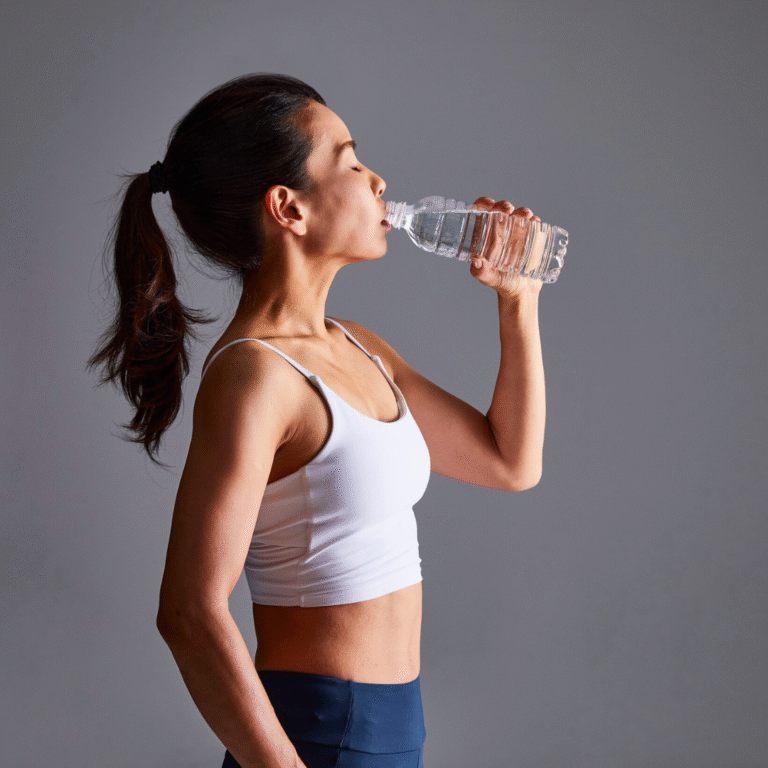
Regular fluid consumption throughout the day is key to staying hydrated. Drinking small amounts frequently is more effective than large volumes at once. Plain water is the best option for most, although sports drinks may be beneficial during intense or prolonged exercise.
Using visual reminders or setting alarms encourages routine fluid intake. Carrying a water bottle when out helps maintain access to fluids. Avoiding excessive caffeine or alcohol is important, as these can increase fluid loss.
The Role of Electrolytes and Nutrient Balance
Electrolytes like sodium and calcium play vital roles in hydration by regulating fluid balance in cells. Sodium helps retain water and maintain blood volume, making it essential during heavy sweating or extended fluid loss.
Calcium supports cellular function and muscle activity. Electrolyte imbalances can cause dehydration symptoms even if fluid intake is adequate. Sports drinks provide electrolytes but should be consumed selectively, as many contain sugars and additives.
Smart Choices for Staying Hydrated
Choosing the right fluids and incorporating hydrating foods are key to maintaining proper hydration. Understanding which drinks support hydration and which may hinder it helps optimise fluid intake effectively.
Best and Worst Beverages for Hydration
Drinking water is the most efficient way to stay hydrated. It contains no sugar or additives and quickly replenishes lost fluids.
Sports drinks can aid hydration during intense exercise due to electrolytes, but are unnecessary for regular daily consumption. Energy drinks generally do not hydrate well because of caffeine and high sugar content, which can cause dehydration.
Sugar-sweetened beverages and fruit juice often contain high sugar levels that may lead to dehydration. Small portions of 100% fruit juice can contribute fluids, but should be consumed in moderation due to their sugar content.
Hydrating Foods and Practical Tips
Certain fruits and vegetables have high water content that supports hydration. Watermelon, cucumbers, and oranges contain over 90% water, making them excellent hydrating snacks.
Including these foods alongside adequate fluid intake boosts hydration, especially when drinking water alone feels monotonous. Practical tips include carrying a water bottle and choosing hydrating foods during meals.
Regular hydration, personalised based on activity and climate, is essential rather than relying on sugary or caffeinated beverages.