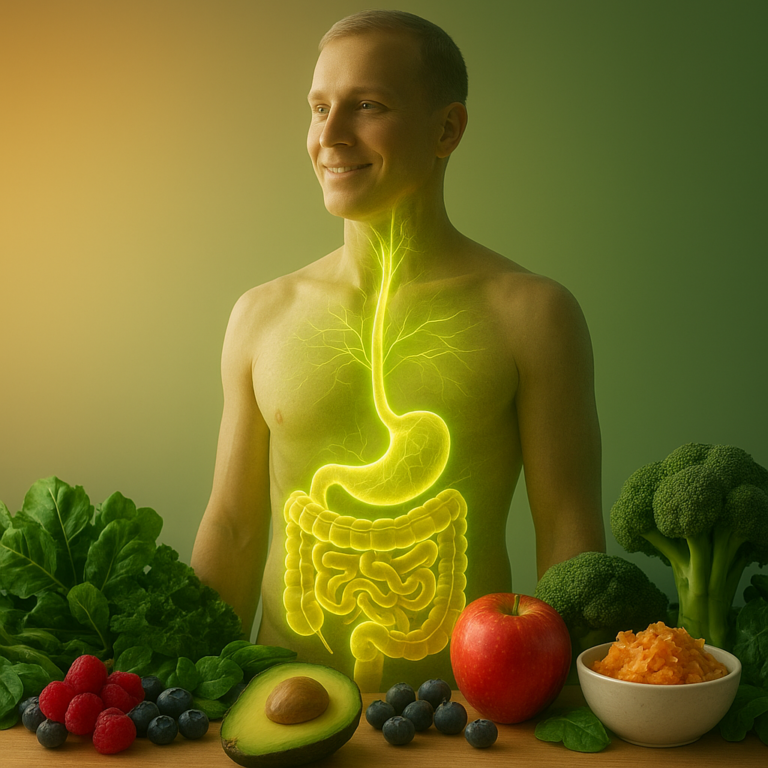
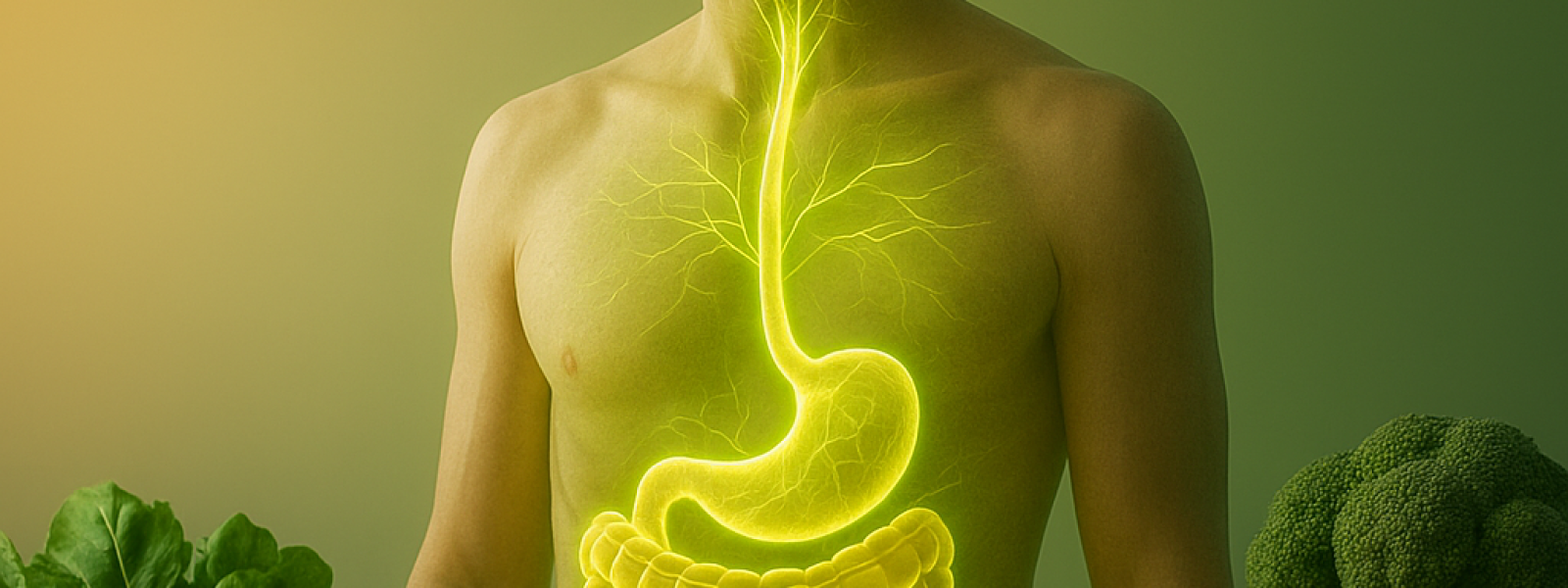
There’s a reason people say they have a “gut feeling” about something. Science is now revealing just how literal that expression really is. The relationship between your gut and your brain is one of the most fascinating — and increasingly well-researched — areas of modern health science. Far from being a simple digestive tube, your gut is a complex ecosystem that actively communicates with your brain, influencing everything from your mood and anxiety levels to how well you sleep and how efficiently you digest your food.
Understanding this connection isn’t just academic curiosity. For millions of people dealing with unexplained bloating, persistent low mood, brain fog, or irregular digestion, the gut-brain axis may hold the key to answers they’ve been searching for. Let’s explore what the science actually says — and what you can do to support both your gut and your mental wellbeing.
What Is the Gut-Brain Axis?
The gut-brain axis is a bidirectional communication network linking your central nervous system (your brain and spinal cord) with your enteric nervous system — the complex web of around 500 million nerve cells that lines your gastrointestinal tract. This isn’t a one-way conversation. Your gut sends signals to your brain just as your brain sends signals to your gut, which is why stress can cause stomach cramps and why digestive discomfort can affect your emotional state.
This communication happens via several pathways:
- The vagus nerve — the longest cranial nerve in the body, running directly from the brainstem to the abdomen
- The immune system — gut bacteria interact with immune cells, which in turn affect brain function
- Hormonal signals — the gut produces and releases hormones that travel through the bloodstream to the brain
- Neurotransmitters — remarkably, around 90–95% of the body’s serotonin is produced in the gut
That last point is worth pausing on. Serotonin is often thought of as a “brain chemical” associated with happiness and mood stability. Yet the vast majority of it originates in your digestive tract. This alone tells you something profound about why gut health matters beyond digestion.
The Gut Microbiome: Your Inner Ecosystem
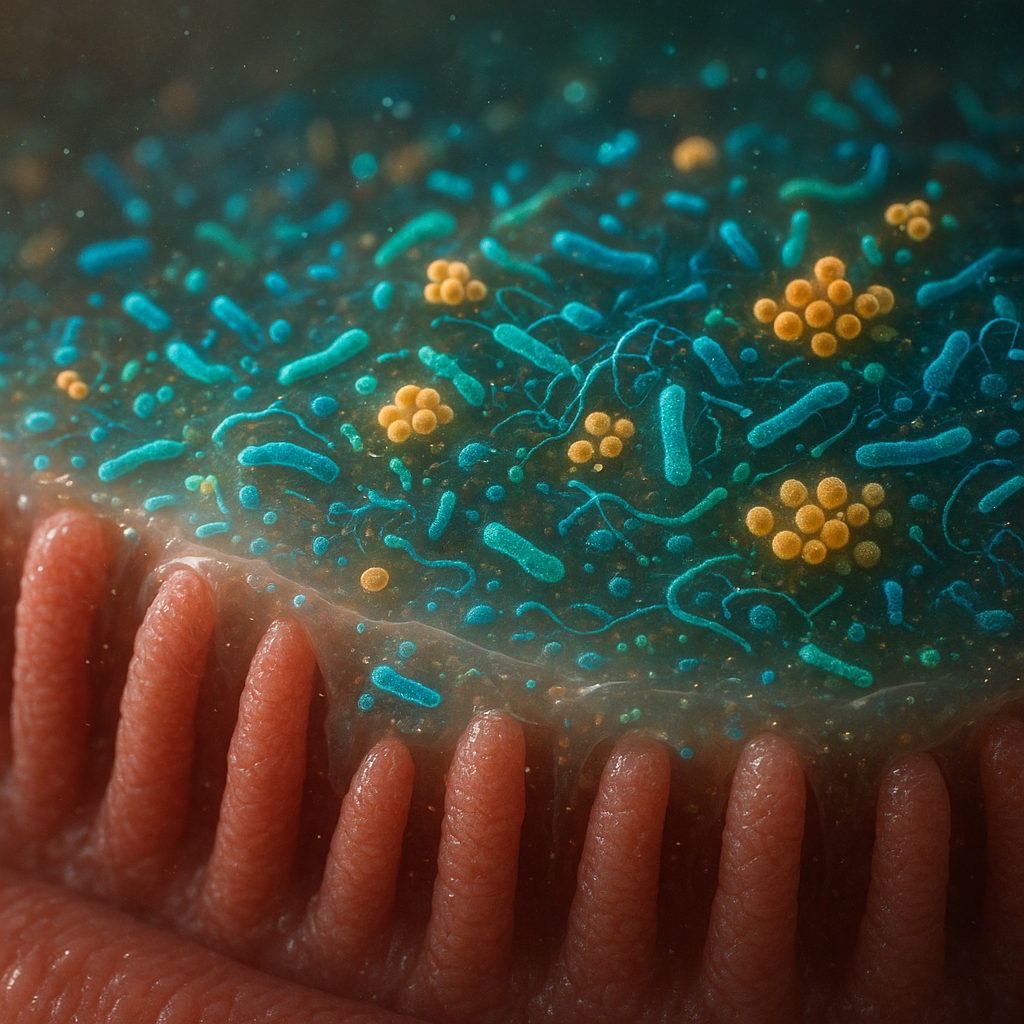
Your gut is home to trillions of microorganisms — bacteria, fungi, viruses, and other microbes — collectively known as the gut microbiome. This ecosystem is extraordinarily diverse; a healthy gut can contain over 1,000 different species of bacteria alone. These microbes aren’t passive passengers. They’re actively involved in digesting food, synthesising vitamins, regulating immune responses, and producing neurochemicals that affect mood and cognition.
Research published in Nature Microbiology found strong associations between specific gut bacteria and mental health conditions including depression and anxiety. People with lower bacterial diversity in their gut were more likely to report symptoms of low mood and emotional distress. Meanwhile, higher microbial diversity — generally considered a marker of a healthy gut — was linked to better psychological wellbeing.
How Gut Bacteria Affect Mood
Certain gut bacteria produce short-chain fatty acids (SCFAs) when they ferment dietary fibre. These SCFAs have anti-inflammatory effects and can cross the blood-brain barrier, potentially influencing brain health directly. Other bacteria stimulate the production of gamma-aminobutyric acid (GABA), a neurotransmitter that reduces anxiety and promotes calm.
A landmark study from University College Cork demonstrated that mice given a specific probiotic strain (Lactobacillus rhamnosus) showed significantly reduced anxiety-like behaviour and lower levels of stress hormones — but only when the vagus nerve was intact. Severing the vagus nerve eliminated the effect, providing compelling evidence that gut bacteria communicate with the brain via this nerve.
Dysbiosis: When the Balance Is Off
Dysbiosis refers to an imbalance in the gut microbiome — typically too few beneficial bacteria and an overgrowth of harmful strains. This imbalance has been associated with a range of conditions, including:
- Irritable bowel syndrome (IBS)
- Inflammatory bowel disease (IBD)
- Depression and anxiety
- Chronic fatigue
- Autoimmune conditions
- Skin conditions such as eczema and psoriasis
Dysbiosis can be triggered by a poor diet, overuse of antibiotics, chronic stress, lack of sleep, and sedentary behaviour — all extremely common features of modern life. This is part of why gut-related complaints are so widespread today.
Signs Your Gut Health May Be Affecting Your Mood
The overlap between gut symptoms and mood disorders is striking once you know what to look for. Common signs that your gut and brain may be struggling to communicate effectively include:
- Persistent bloating or abdominal discomfort without a clear dietary cause
- Frequent changes in bowel habits (constipation, diarrhoea, or alternating between both)
- Brain fog or difficulty concentrating
- Feeling anxious or low in mood, particularly around mealtimes or after eating
- Food intolerances that seem to have developed over time
- Fatigue that doesn’t improve with rest
- Disrupted sleep patterns
None of these symptoms in isolation automatically means your gut is the culprit, and it’s important to consult a healthcare professional if you’re experiencing persistent or severe symptoms. But recognising the potential gut-brain connection can open up new avenues for exploration and support.
How Diet Shapes the Gut-Brain Connection
What you eat every day has a profound impact on the composition of your gut microbiome — and therefore on your mood, cognition, and digestive function. This is one area where the research is particularly clear.
The Mediterranean Diet and Mental Health
Multiple studies have found that adherence to a Mediterranean-style diet — rich in vegetables, fruits, legumes, wholegrains, fish, olive oil, and fermented foods — is associated with a significantly lower risk of depression. A 2017 clinical trial published in BMC Medicine found that dietary intervention alone led to measurable improvements in depression symptoms in adults with major depressive disorder.
The working theory is that this type of diet feeds beneficial gut bacteria, promotes microbial diversity, and reduces systemic inflammation — all of which have downstream effects on brain function and mood regulation.
Foods That Support Gut Health
Certain foods have a particularly well-evidenced role in supporting the gut microbiome:
- Fermented foods — live-culture yoghurt, kefir, sauerkraut, kimchi, miso, and kombucha introduce beneficial bacteria directly into the gut
- High-fibre foods — vegetables, fruits, legumes, oats, and wholegrains act as prebiotics, feeding beneficial bacteria
- Polyphenol-rich foods — berries, dark chocolate, green tea, and extra virgin olive oil contain compounds that selectively feed beneficial bacterial strains
- Omega-3 fatty acids — found in oily fish, walnuts, and flaxseed, these have anti-inflammatory effects that benefit both gut and brain
Foods That Can Disrupt Gut Health
On the other side of the equation, certain dietary patterns are consistently associated with poorer gut microbiome diversity and worse mental health outcomes:
- Ultra-processed foods high in refined sugars and artificial additives
- Diets low in fibre and plant-based variety
- Excessive alcohol, which can damage the gut lining and disrupt bacterial balance
- High intake of saturated and trans fats
Stress, Sleep, and the Gut
Diet is only part of the picture. The gut is exquisitely sensitive to psychological stress. When you’re under pressure, your body releases stress hormones like cortisol, which can alter gut motility, increase intestinal permeability (sometimes called “leaky gut”), and shift the composition of your microbiome toward more inflammatory bacterial strains.

This creates a vicious cycle: stress disrupts the gut, an unhealthy gut amplifies the stress response, which in turn worsens gut function. Breaking this cycle often requires addressing both sides simultaneously.
Sleep is equally important. Research shows that even a few nights of poor sleep can measurably reduce gut microbial diversity. In turn, gut bacteria influence the production of melatonin and other sleep-regulating compounds, suggesting that poor gut health may itself contribute to insomnia and disturbed sleep.
Practical Ways to Support Your Gut-Brain Health
The good news is that the gut microbiome is highly responsive to lifestyle changes. Meaningful improvements in bacterial diversity and composition can appear within just a few weeks of dietary or behavioural changes. Here are evidence-based approaches worth considering:
- Eat more plants — aiming for 30 different plant foods per week has been associated with significantly greater microbial diversity in research from the American Gut Project
- Incorporate fermented foods daily — even a small serving of live-culture yoghurt or a tablespoon of sauerkraut can contribute beneficially over time
- Manage stress actively — practices such as mindfulness, yoga, or simply spending time in nature have demonstrable effects on the gut-brain axis
- Prioritise sleep — aiming for 7–9 hours per night consistently supports both gut health and emotional regulation
- Exercise regularly — physical activity has been shown to increase microbial diversity independently of diet
- Limit unnecessary antibiotic use — while antibiotics are sometimes medically essential, they can significantly disrupt the microbiome; always use them only when prescribed
- Stay hydrated — adequate water intake supports healthy gut motility and mucosal integrity
For those considering probiotic supplements, the evidence is promising but more nuanced. Different strains have different effects, and not all commercially available products contain the strains or quantities shown to be effective in clinical studies. Probiotics and prebiotics can support mental wellbeing, but consulting a registered dietitian or gastroenterologist before starting a supplement regimen is always a sensible step.
The Future of Gut-Brain Research
We are still in relatively early days when it comes to fully understanding the gut-brain axis. However, the field is moving rapidly. Researchers are investigating the potential of targeted probiotic treatments (sometimes called “psychobiotics”) for conditions like depression, anxiety, and even autism spectrum disorder. Early-stage clinical trials are exploring whether faecal microbiota transplants — transferring gut bacteria from a healthy donor — might one day be a treatment for certain mental health conditions.
What’s already clear is that the old division between “mental” and “physical” health is fundamentally artificial. Your gut and brain are in constant dialogue, and the health of each profoundly shapes the other.
Conclusion
The connection between gut health and mood is no longer fringe science — it’s a well-established and rapidly expanding field with real implications for how we approach everyday wellbeing. Your gut microbiome influences your serotonin levels, your stress response, your immune function, and your cognitive clarity. At the same time, your mental state, sleep quality, and dietary choices are continuously shaping your gut environment.
Key takeaways from the research are clear: a diverse, plant-rich diet supports a diverse and resilient microbiome; stress and poor sleep actively harm gut health; and the relationship between gut bacteria and mood is real, measurable, and increasingly well-understood. Small, consistent changes — adding more fermented foods, reducing ultra-processed options, managing stress, moving your body regularly — can have a meaningful cumulative effect on both digestive health and emotional wellbeing. The gut and brain are partners in your overall health, and nurturing that partnership is one of the most evidence-based investments you can make in yourself.