
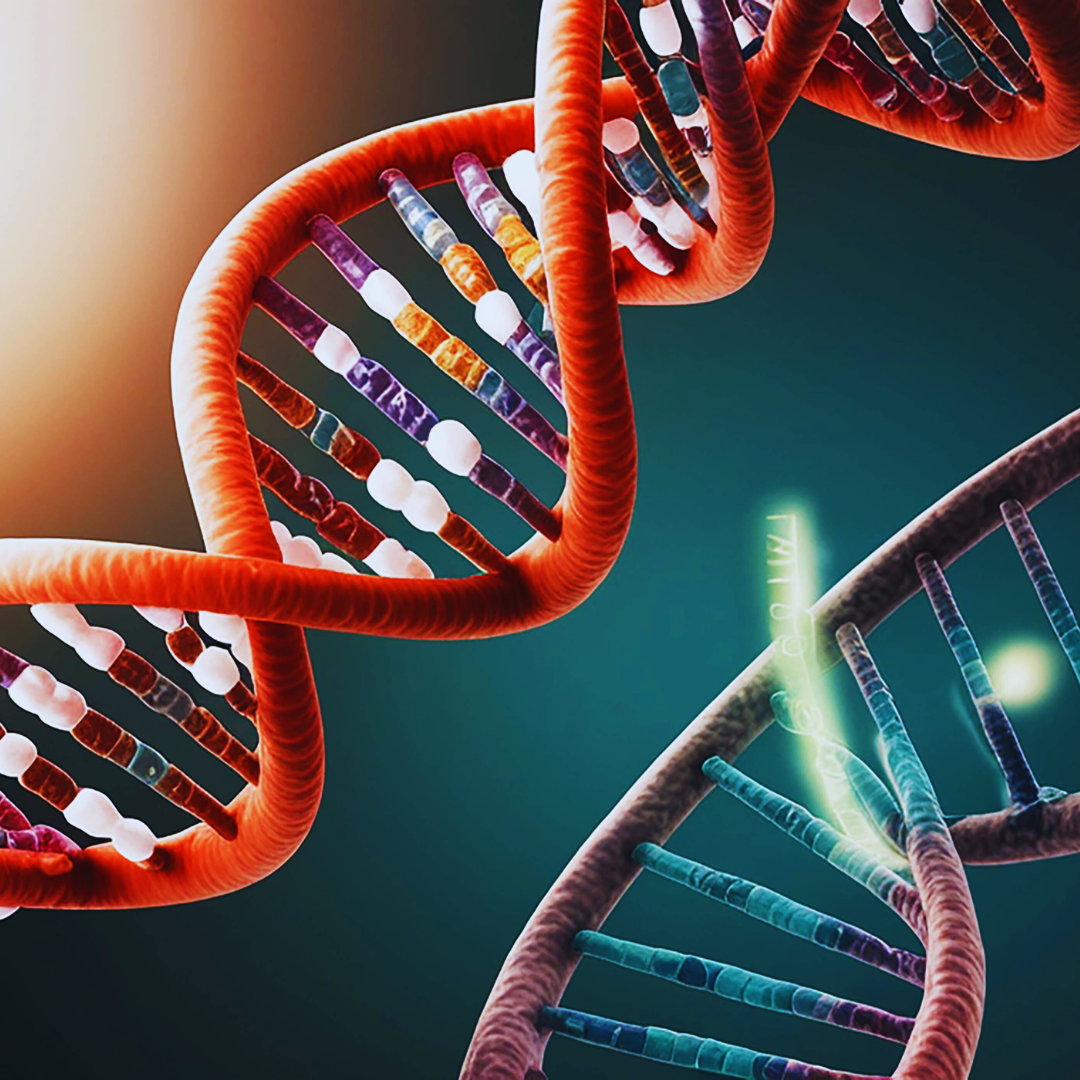
Biotechnology is transforming the way the body recovers from injury, illness, and chronic conditions. Advances in gene editing, tissue engineering, and personalised medicine are creating new pathways for faster and more effective healing.
Biotech developments like CRISPR therapies and regenerative medicine are reshaping recovery by targeting the root causes of damage rather than just managing symptoms. These innovations are allowing treatments to be more precise, reducing recovery times and improving patient outcomes.
As these technologies evolve, they offer promising alternatives to traditional methods, making recovery less invasive and more tailored to individual needs. This progress is setting new benchmarks in medical recovery worldwide.
Pioneering Gene Editing and Precision Therapies
Recent advances in gene editing and precision medicine are delivering new methods that improve recovery by targeting diseases at their genetic roots. These developments enable personalised approaches which adapt treatments to individual genomic profiles, significantly affecting outcomes for chronic illnesses and complex conditions.
CRISPR and Next-Generation Gene Editing Tools
CRISPR-Cas9 remains the most prominent gene editing tool, valued for its ability to make precise cuts in DNA sequences. It has accelerated research by enabling targeted corrections of genetic mutations linked to diseases.
Next-generation gene editing tools like base editors and prime editors offer increased accuracy and reduced off-target effects. These innovations allow for single-letter DNA changes without causing double-strand breaks, which lowers the risk of unintended damage.
The integration of CRISPR with advanced delivery systems, such as viral vectors and lipid nanoparticles, improves the efficiency of editing in vivo. This allows for potential treatments directly in patients, circumventing earlier limitations around delivery and specificity.
Personalised and Precision Medicine Breakthroughs
Precision medicine relies on genomic sequencing to tailor treatments based on a patient’s unique DNA. This approach improves the efficacy of therapies by identifying the exact molecular causes of disease rather than applying uniform treatments.
Technologies such as next-generation sequencing have enabled faster, cheaper genome analysis, allowing clinicians to personalise therapy plans. These plans may include targeted drugs designed for specific genetic profiles, minimising side effects.
Personalised medicine also extends to pharmacogenomics, where drug selection and dosing are based on how genes affect drug metabolism. This strategy reduces adverse drug reactions and enhances drug effectiveness.
Applications in Chronic Conditions
Gene editing and precision therapies are showing promise in managing chronic conditions such as cystic fibrosis, sickle cell anaemia, and certain cancers. By targeting the root genetic causes, these methods can potentially reduce symptoms or alter disease progression.
In sickle cell disease, CRISPR-based treatments have successfully edited the haemoglobin gene to produce normal red blood cells. Clinical trials have demonstrated sustained improvements in patient health and fewer hospitalisations.
For cancer, precision therapies that target genetic mutations in tumours allow for customised treatment regimens. This has improved survival rates and quality of life in patients with otherwise resistant or advanced cancers.
Artificial Intelligence Transforming Recovery
Artificial intelligence is reshaping recovery by streamlining complex processes in drug development, diagnostics, and clinical trials. It delivers faster insights, improves accuracy, and reduces costs, impacting patients and the biotech industry alike.
Accelerating Drug Discovery
AI accelerates drug discovery by analysing vast biological datasets to identify potential drug candidates more efficiently. Machine learning algorithms predict molecular behaviour and optimise compound structures, cutting the early-stage development timeline significantly.
Pharmaceutical companies use AI-driven platforms to simulate interactions between drugs and targets, which reduces the need for costly lab experiments. This approach also helps in repurposing existing drugs for new uses, speeding up availability for patients.
By automating routine tasks and improving data interpretation, AI reduces human error and increases the probability of discovering effective therapies in less time, benefiting the entire biotech sector.
AI-Driven Diagnostics and Cancer Detection
Artificial intelligence enhances diagnostics by recognising patterns that are often missed by traditional methods. In cancer detection, AI analyses medical imaging with higher precision, enabling early and more accurate diagnosis.
Algorithms analyse mammograms, CT scans, and biopsies to identify tumours at stages when treatment is more likely to succeed. This can lead to personalised treatment plans tailored to the patient’s unique cancer profile.
AI tools also assist pathologists by accelerating image interpretation, helping to reduce diagnostic delays. The integration of AI in diagnostic workflows improves overall patient recovery outcomes by enabling quicker interventions.
Enhancing Clinical Trials
AI improves clinical trials through patient selection, monitoring, and data analysis. It identifies suitable participants by analysing genetic, demographic, and lifestyle data, boosting trial success rates.
Real-time monitoring powered by AI detects adverse reactions early, improving patient safety. It also streamlines data collection and analysis by automating processes that once required extensive manual input.
Predictive algorithms forecast trial outcomes, helping researchers adjust protocols promptly. This leads to shorter trial durations and reduced costs, making successful therapies available sooner.
Regenerative Medicine and Advanced Biotechnologies
Advances in regenerative medicine now combine cutting-edge technologies to enhance tissue repair and recovery. Innovations focus on fabricating complex tissues, stimulating healing without cells, and improving genetic therapy techniques.
3D Bioprinting and Tissue Engineering
3D bioprinting uses precise layering of biomaterials and living cells to create tissue structures mimicking natural ones. This technique allows for personalised implants, which can reduce rejection rates and improve integration.
Tissue engineering complements bioprinting by using scaffolds seeded with cells or growth factors to regenerate damaged tissues. Innovations in biomaterials, including hydrogels and biodegradable polymers, have enhanced scaffold function and durability.
The ability to fabricate vascularised tissues is critical, addressing nutrient delivery and waste removal challenges in larger constructs. This progress moves regenerative therapies closer to practical clinical applications.
Cell-Free Therapies and Regeneration
Cell-free therapies leverage bioactive molecules such as extracellular vesicles, proteins, and RNA to promote tissue regeneration without directly transplanting cells. These approaches reduce immune rejection and simplify treatment logistics.
To ensure these therapies are both safe and effective, the purity and integrity of all bioactive components, including peptides, are critical. Researchers and developers must verify peptide composition and quality through reliable laboratory testing. Services such as Peptide Test support this process by providing molecular analysis that helps minimise risk and improve development outcomes.
These verified components are then used in applications such as extracellular vesicle–based therapies, particularly exosomes, which modulate inflammation and activate tissue repair pathways. Their use is expanding in areas like chronic wound healing and cardiac repair. By avoiding the risks associated with live cell therapies, cell-free approaches continue to gain momentum, with ongoing clinical trials evaluating their safety and efficacy across multiple tissue types.
The quality of these materials is a major factor in how well the body responds to treatment. Many researchers look for specific compounds that meet high purity standards to avoid unwanted reactions. Finding a reliable source for these research materials is a priority for labs that work on new recovery methods. Some teams choose to source from specialized suppliers like Rebel Peptides to get the exact sequences they need for their studies. This helps keep the data consistent across different stages of the development process. Having access to stable supplies makes it easier to move from the lab to actual clinical use.
Lipid Nanoparticles in Gene Delivery
Lipid nanoparticles (LNPs) have become pivotal in delivering nucleic acids like mRNA and siRNA into cells. Their ability to protect genetic material and enhance cellular uptake improves gene therapy outcomes.
LNPs consist of ionisable lipids, cholesterol, and helper lipids that form stable, biocompatible carriers for gene delivery. They facilitate treatment of genetic disorders and regenerative applications by enabling precise control over gene expression.
Recent advances focus on optimising lipid compositions to reduce toxicity and increase targeting efficiency. LNP platforms are now critical in regenerative medicine for modulating gene activity to support recovery processes.
Digital Therapeutics and the Future of Recovery in Biotech
Digital tools have transformed how patients manage recovery by integrating data-driven insights with personalised care. Advances now focus on combining wearable technology with evidence-based therapeutic software.
Expansion of Digital and Wearable Health Solutions
Digital therapeutics (DTx) use software to treat conditions through behavioural changes and remote monitoring. Wearable health devices track vital signs and activity levels, offering continuous data to support recovery.
Eli Lilly, among others, is investing in wearable technology paired with digital platforms to monitor patient progress in real-time. These tools improve adherence to treatment protocols and enable early detection of complications.
Patient engagement increases with apps that guide exercise, medication, and mental health programmes. Integration of AI algorithms allows for dynamic adjustments to therapy, tailored to individual recovery patterns.
Role of Leading Innovators in Biotech Recovery
Companies like Eli Lilly are pioneering digital therapeutics by combining drug development with digital intervention. They focus on conditions such as diabetes and mental health, where recovery benefits from both pharmaceutical and digital support.
Innovators collaborate with healthcare providers to create ecosystems that combine wearable data with clinical decisions. This blend of biotech and digital solutions accelerates recovery timelines and reduces hospital readmissions.
Ongoing trials assess the effectiveness of these integrated approaches, demonstrating improvements in patient outcomes. Such progress underscores the importance of biotech firms adopting digital therapeutics to stay at the forefront of recovery innovation.