
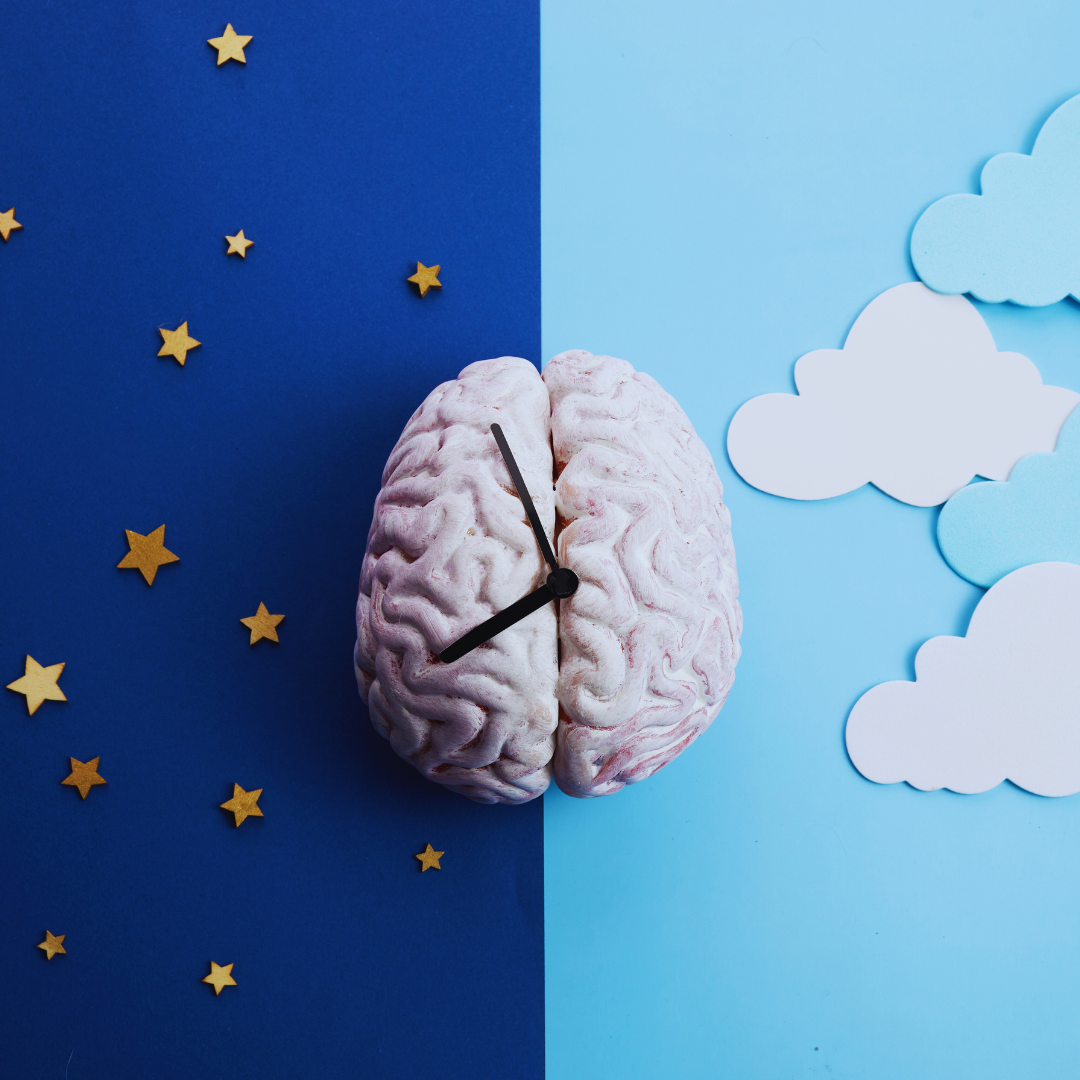
Circadian rhythms are natural, internal processes that regulate the sleep-wake cycle and repeat roughly every 24 hours. They play a crucial role in syncing the body’s functions to the environment, influencing hormone release, eating habits, digestion, and body temperature.
The alignment of circadian rhythms with daily behaviours significantly impacts overall health by affecting physical, mental, and metabolic processes. Disruption of these rhythms, such as through irregular sleep patterns or shift work, has been linked to various health issues, including fatigue, weakened immunity, and increased risk of chronic diseases.
Understanding how the circadian rhythm works allows individuals to make better lifestyle choices that support well-being and optimise bodily functions. This knowledge highlights the importance of consistent routines and exposure to natural light in maintaining health.
Fundamentals of Circadian Rhythms
Circadian rhythms are driven by an internal biological clock that regulates various physiological processes on a roughly 24-hour cycle. This system depends on a complex interaction between brain structures, genes, and environmental cues known as zeitgebers.
The Biological Clock and Its Mechanisms
The biological clock governs daily cycles such as sleep-wake patterns, hormone release, and metabolism. It operates through a central pacemaker and peripheral clocks in tissues throughout the body.
The clock’s timing is maintained by feedback loops involving the expression of specific genes and proteins. These loops generate oscillations that persist even without external cues, but they are usually synchronised to the environment. This entrainment ensures alignment with day-night cycles.
The circadian system depends on two main components: the internal biological clock, which produces rhythms endogenously, and external zeitgebers like light, which reset the clock daily to maintain consistent timing.
Role of the Suprachiasmatic Nucleus
The suprachiasmatic nucleus (SCN) is a small cluster of neurons in the hypothalamus that acts as the master circadian clock. It receives direct input from the retina, allowing it to track light-dark cycles precisely.
The SCN synchronises peripheral clocks across various organs by sending timing signals through neural and hormonal pathways. This coordination is essential for maintaining physiological harmony.
Damage to the SCN disrupts circadian rhythms, leading to irregular sleep patterns and metabolic issues. Therefore, the SCN is critical for maintaining circadian process integrity.
Key Clock Genes and Proteins
Clock genes produce proteins that interact in feedback loops to drive circadian rhythms. Important genes include CLOCK, BMAL1, PER (PER1, PER2), and CRY (CRY1, CRY2).
CLOCK and BMAL1 proteins form a complex that activates the transcription of PER and CRY genes. As PER and CRY protein levels rise, they inhibit CLOCK-BMAL1 activity, creating a ~24-hour oscillation.
These molecular cycles occur in both the SCN and peripheral clocks. Variations or mutations in clock genes can lead to altered circadian rhythms and affect overall health.
Circadian Rhythms and Bodily Health
Circadian rhythms regulate numerous physiological processes through carefully timed hormone release and body functions. These rhythms affect sleep architecture, metabolism, and immune responses, impacting overall health.
Impact on Sleep and Sleep Quality
Circadian rhythms govern the sleep-wake cycle by signalling when to feel alert or sleepy. The pineal gland releases melatonin in response to darkness detected by the retina, promoting sleep onset. This hormone peaks during night hours, encouraging deep and REM sleep phases essential for memory and restoration.
Cortisol, which peaks in the early morning, helps awaken the body and regulate energy. Disruptions to these rhythms, such as shift work or exposure to artificial light, reduce sleep quality and duration. Chronic sleep deprivation or misalignment can increase the risk of insomnia and other sleep disorders.
Temperature fluctuations also play a role; core body temperature naturally drops at night, facilitating sleep. Failure to maintain this rhythm can impair the ability to stay asleep through the night.
Influence on Metabolism and Digestion
Circadian rhythms coordinate metabolic processes by timing hormone releases that influence digestion and energy use. For example, insulin sensitivity is highest during daylight hours, ensuring efficient glucose metabolism following meals.
Digestive functions like gastric acid production and enzyme secretion follow daily rhythms, optimising nutrient breakdown and absorption during typical eating times. Disruption to these cycles can impair digestion, leading to issues like indigestion or altered glucose metabolism.
Shift work and irregular eating patterns interfere with these metabolic rhythms, increasing the risk of obesity, type 2 diabetes, and metabolic syndrome. Timing meals in alignment with circadian cues improves digestion and energy regulation.
Role in Immune Function and Cellular Repair
The immune system exhibits circadian patterns in activity, with certain immune cells peaking in circulation during specific times of day. Cytokine production and inflammatory responses are temporally regulated to help efficiently respond to pathogens when the body is most vulnerable.
Cellular repair processes, including DNA repair and tissue regeneration, predominantly occur during sleep phases, particularly deep sleep. Melatonin supports these processes by acting as an antioxidant and signalling repair mechanisms.
Disruption of circadian rhythms can weaken immune responses, increasing susceptibility to infections and slowing recovery. Sleep loss impairs cellular repair, highlighting the critical relationship between sleep, circadian timing, and immune health.
Circadian Disruption and Chronic Disease Risk
Disruption of circadian rhythms significantly affects the body’s ability to regulate metabolism, glucose control, and cell repair. This disturbance increases the likelihood of developing several chronic conditions related to energy balance, blood sugar, and cardiovascular function.
Metabolic Syndrome and Obesity
Circadian disruption alters metabolic processes, including energy expenditure and fat storage. People with irregular sleep patterns or shift work tend to experience increased appetite, particularly for high-calorie foods, which promotes weight gain.
Studies show that misalignment of the internal clock reduces insulin sensitivity and elevates cortisol levels, contributing to visceral fat accumulation. This predisposes individuals to metabolic syndrome—a cluster of conditions including high blood pressure, abdominal obesity, and abnormal lipid profiles.
Regular circadian misalignment has been associated with impaired leptin and ghrelin hormone secretion, which control hunger and satiety. This hormonal imbalance drives overeating and increases the risk of obesity-related health issues.
Diabetes and Insulin Resistance
Circadian rhythms regulate glucose metabolism and insulin secretion through pancreatic function and peripheral tissue sensitivity. Disruptions lead to decreased insulin sensitivity, raising the risk of developing type 2 diabetes.
Night-shift workers often exhibit higher fasting glucose levels and impaired glucose tolerance due to circadian misalignment. This effect is partly because insulin release is optimally timed to active periods of the day and impaired at night.
Chronic circadian disruption also affects the expression of clock genes involved in glucose homeostasis, intensifying insulin resistance. These changes make it harder for the body to maintain normal blood sugar levels, laying the groundwork for diabetes onset.
Cardiovascular Health and Cancer
Blood pressure and heart rate follow circadian patterns regulated by the autonomic nervous system. Disrupted rhythms can lead to hypertension, increasing cardiovascular disease risk.
Shift work and irregular sleep-wake cycles have been linked to a higher incidence of heart attacks and stroke. This connection is due to increased inflammation, oxidative stress, and endothelial dysfunction caused by circadian misalignment.
Circadian disruption also influences cancer development. Faulty timing in cell cycle regulation and DNA repair mechanisms can lead to increased mutations and tumour growth, particularly in breast and prostate cancers.
| Factor | Effect of Circadian Disruption |
| Blood pressure | Elevated, loss of normal nocturnal dipping |
| Heart rate variability | Reduced, increasing cardiac risk |
| DNA repair | Impaired, raising mutation accumulation |
| Cell cycle regulation | Disrupted, promoting oncogenesis |
Circadian Rhythms, Mental Health, and Lifestyle
Circadian rhythms regulate numerous brain processes that influence mental health and daily living patterns. Disruptions in these rhythms can affect mood regulation, cognitive abilities, and stress responses, with specific impacts depending on lifestyle factors such as work schedules and sleep habits.
Mood Disorders and Psychiatric Conditions
Circadian rhythms affect neurotransmitter production, including serotonin and dopamine, which influence mood and cognitive function. Imbalances linked to disrupted circadian patterns can worsen depression, anxiety, bipolar disorder, and seasonal affective disorder.
For example, altered serotonin levels from irregular light exposure often exacerbate depressive symptoms. In bipolar disorder, unstable circadian rhythms correlate with mood swings and impaired decision-making. Memory consolidation is also affected, worsening cognitive function in psychiatric disorders. Proper circadian regulation supports brain function stability and emotional resilience.
Sleep Habits, Shift Work, and Social Jet Lag
Shift work causes circadian misalignment by forcing wakefulness during usual rest hours, increasing risks for mood disorders and reduced cognitive function. Social jet lag occurs when sleep timing differs between workdays and free days, disrupting internal clocks.
Poor sleep hygiene, including inconsistent sleep environments or blue light exposure before bedtime, suppresses adenosine build-up and delays melatonin release, hindering sleep onset. Caffeine intake late in the day further disrupts sleep timing. These factors impair memory, decision-making and raise anxiety and stress levels.
Strategies for Optimising Circadian Health
Adjusting meal timing to daylight hours aligns metabolism and energy use with circadian rhythms, improving mood and brain function. Adopting consistent sleep schedules tailored to individual chronotypes supports restorative sleep and mental clarity.
Minimising blue light exposure in the evening by using filters or avoiding screens enhances melatonin production. Creating a comfortable sleep environment—cool, dark, and quiet—helps maintain circadian regularity. Limiting caffeine after midday reduces its impact on sleep architecture and stress response. These practices collectively improve mental health and daily functioning.