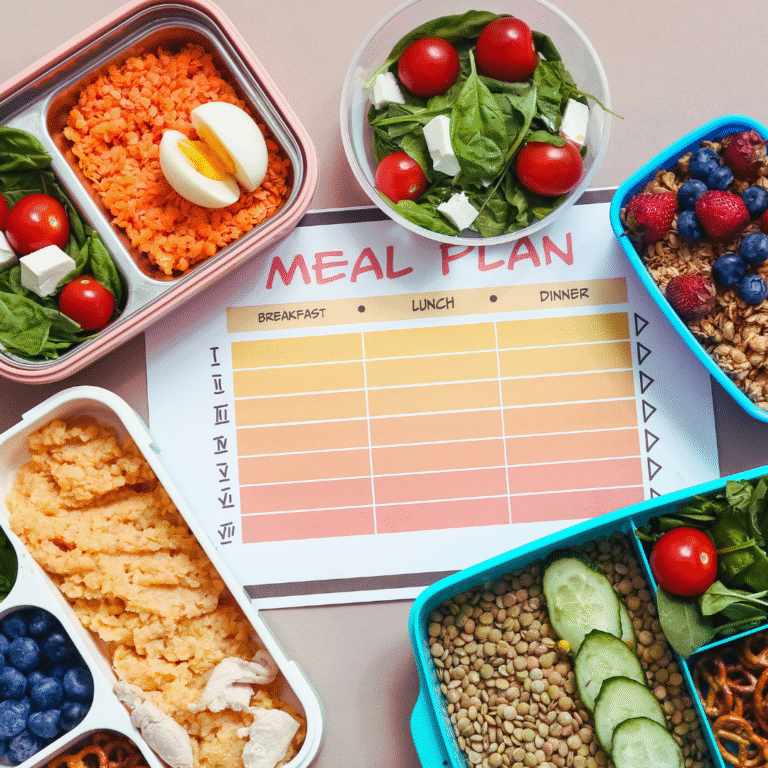
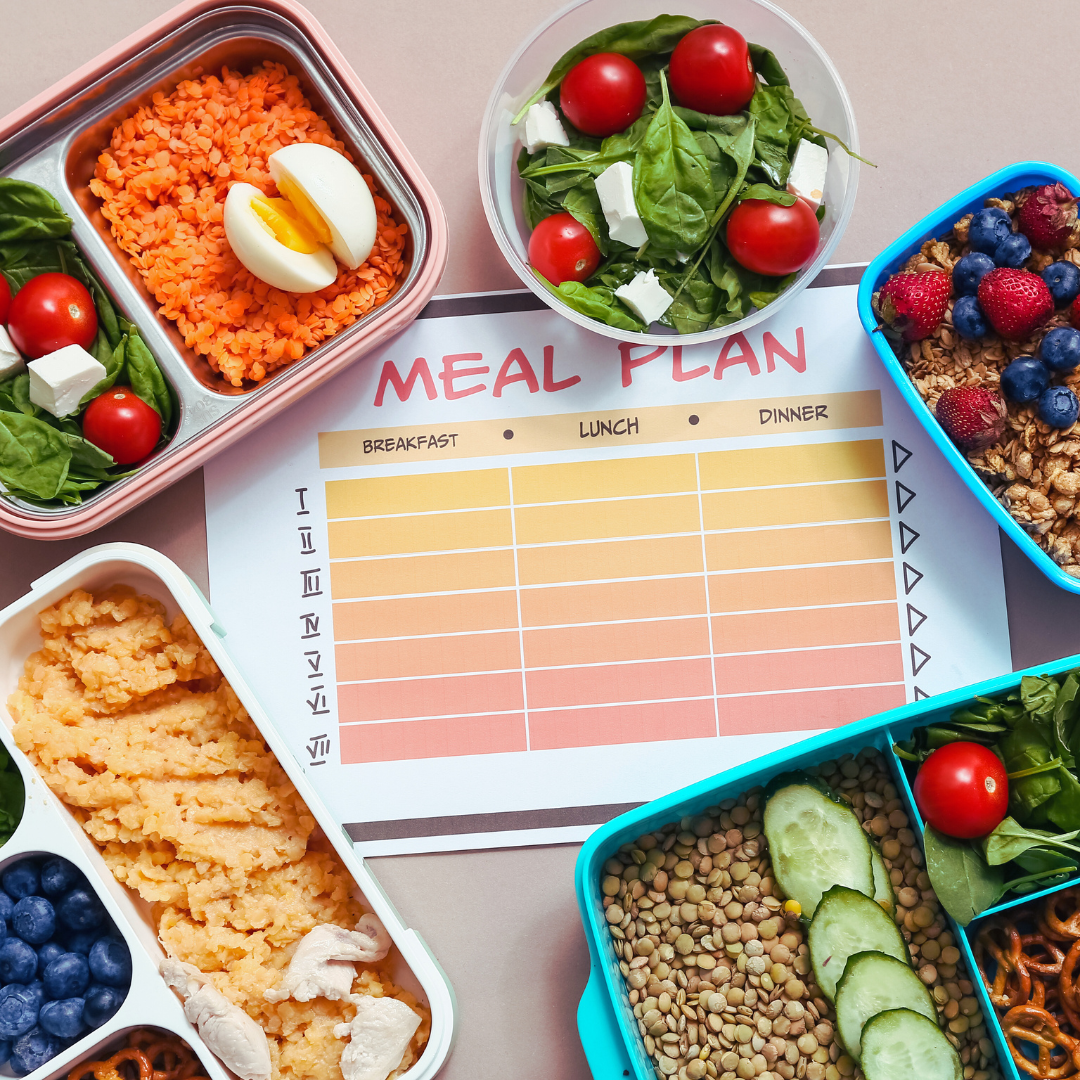
Creating a balanced weekly meal plan requires organising meals that include a variety of nutrients to support overall health. It involves selecting appropriate portions of proteins, carbohydrates, fats, and plenty of vegetables and fruits to ensure diverse and nutritious eating throughout the week. A balanced weekly meal plan helps maintain energy levels and supports well-being by evenly distributing essential nutrients across all meals.
Effective meal planning starts with understanding individual dietary needs and setting realistic goals, such as incorporating whole grains, lean proteins, and seasonal produce. Planning also reduces food waste and saves time by allowing better preparation.
Many people find that meal planning helps reduce stress around mealtimes and promotes healthier choices. By preparing a clear, balanced menu for the week, individuals can enjoy varied, nutritious meals without the daily guesswork.
Core Principles of a Balanced Weekly Meal Plan
Creating a balanced weekly meal plan involves choosing the right nutrients, incorporating a variety of foods, and controlling portion sizes. Together, these factors help support good health, manage weight, and ensure nutritional adequacy.
The Role of Macronutrients
Macronutrients—proteins, carbohydrates, and fats—form the foundation of every meal. Proteins such as lean meats, beans, and legumes support muscle repair and maintenance. Including lean protein in every meal helps maintain satiety and supports weight management.
Carbohydrates should focus on whole grains, fruits, and vegetables for fibre and energy. High-fibre foods promote digestion and help control blood sugar levels. Healthy fats from sources like nuts and olive oil contribute to brain health.
Balancing these macronutrients in appropriate ratios varies per individual goals but typically includes 30-35% protein, 40-50% carbohydrates, and 20-30% fats.
Importance of Variety
Including a wide range of foods ensures the intake of diverse vitamins, minerals, and antioxidants. Vegetables and fruits should cover multiple colours and types throughout the week to maximise nutrient exposure.
Rotating whole grains such as brown rice, quinoa, or whole wheat bread helps prevent monotonous diets and boosts fibre intake. Variety also helps reduce the risk of food allergies and sensitivities developing.
In practice, varying cooking methods and sourcing seasonal produce support palatability and adherence to the meal plan over time.
Understanding Portion Sizes
Controlling portion sizes is essential to managing calorie intake without compromising nutrition. Using hand measurements can simplify portion control: a palm-sized portion for protein, a fist of vegetables, and a cupped hand of whole grains.
Portions vary depending on activity level and individual needs, but recognising standard serving sizes helps avoid overconsumption, which can hinder weight loss or maintenance.
Monitoring portion sizes of calorie-dense foods like oils, nuts, and fatty cuts of meat is also critical to keep daily energy intake within target ranges.
Step-by-Step Guide to Planning Your Week
Creating a balanced meal plan requires clear nutrition targets, careful meal and snack choices, and efficient preparation methods. These steps help save time and money while ensuring dietary needs are met.
Setting Nutrition Goals
He should start by establishing specific nutrition goals based on personal health needs or advice from a registered dietitian. Goals may include increasing protein intake, reducing sugar, or boosting fibre from whole foods like oats or nuts.
Balanced meals often revolve around nutrient-dense components: lean proteins, whole grains, vegetables, and healthy fats such as almonds or walnuts. Setting calorie and macronutrient targets ensures portion sizes fit energy requirements.
Tracking dietary restrictions or preferences also shapes realistic, achievable goals. This planning stage defines the framework for meal selection and manages nutritional balance throughout the week.
Selecting Meals and Snacks
He must choose meals and snacks that align with nutrition goals and daily schedules. Including versatile staples like eggs or yoghurt allows for quick, balanced options during busy days.
Planning snacks such as nuts, almonds, or walnuts promotes satiety and nutrient intake between meals. Meals should vary in ingredients to prevent repetition and maintain interest.
Using a weekly grid to assign meals and snacks helps visualise portions and food groups, making shopping and cooking more efficient. This structured approach also helps avoid impulse buys and food waste.
Batch Cooking and Preparation
Batch cooking is a practical way to save time and money. Preparing large portions of meals like stews, grain bowls, or roasted vegetables in advance means fewer daily cooking sessions.
He should focus on foods that store well and reheat easily, such as oats for breakfast or cooked legumes for lunch. Portioning meals into containers supports controlled serving sizes and easy grab-and-go options.
Pre-chopping vegetables, soaking nuts, or pre-measuring ingredients also streamlines cooking during the week. This preparation assists in maintaining consistency with the meal plan and reduces demand on daily meal decisions.
Essential Foods for a Balanced Weekly Meal Plan
A balanced meal plan includes a variety of nutrients from different food groups to support energy, muscle maintenance, and overall health. Including a mix of proteins, fruits, vegetables, whole grains, and healthy snacks ensures nutritional needs are met throughout the week.
Top Sources of Protein
Protein supports muscle repair and keeps one feeling full longer. Lean meats like salmon and tuna are excellent choices due to their high-quality protein and omega-3 fatty acids.
Plant-based options such as hummus and peanut butter provide protein along with healthy fats. Including eggs, chicken, and legumes also adds variety and essential amino acids.
It is important to vary protein sources to obtain all required nutrients and maintain interest in meals. Balanced portions of protein at each meal can promote sustained energy and muscle health.
Must-Have Fruits and Vegetables
Vegetables like broccoli and spinach offer essential vitamins, minerals, and fibre. They support digestion and provide antioxidants that help reduce inflammation.
Fruits such as bananas, pears, apples, and berries are rich in fibre, natural sugars, and vitamins like vitamin C. Berries also contain antioxidants and improve heart health.
Incorporating a diverse range of colourful fruits and vegetables daily ensures adequate intake of minerals and antioxidants vital for the immune system and overall vitality.
Whole Grains and Fibre-Rich Options
Whole grains are important for steady energy release and digestive health. Brown rice is a good example, supplying complex carbohydrates and fibre.
Other fibre-rich options include wholegrain oats and whole wheat bread. Fibre helps regulate blood sugar levels and supports gut function.
Regularly consuming whole grains can prevent energy spikes and crashes. Combining grains with protein and vegetables enhances nutrient absorption and satiety.
Healthy Snacks and Treats
Healthy snacks provide energy between meals without excess calories or unhealthy fats. Nuts and seeds paired with peanut butter make convenient, nutrient-packed options.
Dark chocolate in moderation can satisfy sweet cravings while offering antioxidants. Additionally, vegetables with hummus offer fibre, protein, and beneficial fats.
Including snacks with natural ingredients like cinnamon can enhance flavour without added sugar. Balanced snacking helps maintain blood glucose levels and prevents overeating at main meals.
Making Your Meal Plan Work Long-Term
A sustainable meal plan requires flexibility, organisation, and regular reassessment to match changing needs. Consistency comes from adjusting plans to fit daily routines, keeping track of meals, and evaluating progress regularly.
Adapting Plans to Fit Your Lifestyle
Meal plans should reflect work schedules, social commitments, and energy needs. If someone’s job involves long hours or irregular shifts, they can prepare meals in advance or opt for quick, nutrient-dense options.
Involving a registered dietitian can help tailor plans around weight loss goals while ensuring nutritional balance.
Adjust portions and ingredients based on hunger signals and physical activity, avoiding rigid rules that may cause frustration. This flexibility prevents diet burnout and supports healthier habits long-term.
Tips for Staying Organised
Organising meals involves planning weekly shopping lists and using batch cooking methods. Keeping a calendar or meal planner visible at home reinforces commitment and reduces last-minute unhealthy choices.
Tools like apps or simple spreadsheets can track purchases, prevent food waste, and save money. Storing meals in labelled containers saves time during busy days and encourages portion control.
By setting regular grocery days and preparing ingredients ahead, the meal plan becomes simpler to maintain consistently.
Monitoring Progress and Adjusting
Regularly tracking progress helps identify what’s working or what needs to change. This can include noting weight trends, energy levels, and satisfaction with meals.
If weight loss stalls, the plan may need recalibrating with portion adjustments or ingredient swaps. Consulting a registered dietitian during this process ensures changes remain nutritionally sound.
Periodic reviews prevent plateaus and support evolving goals, making the plan effective over time.