
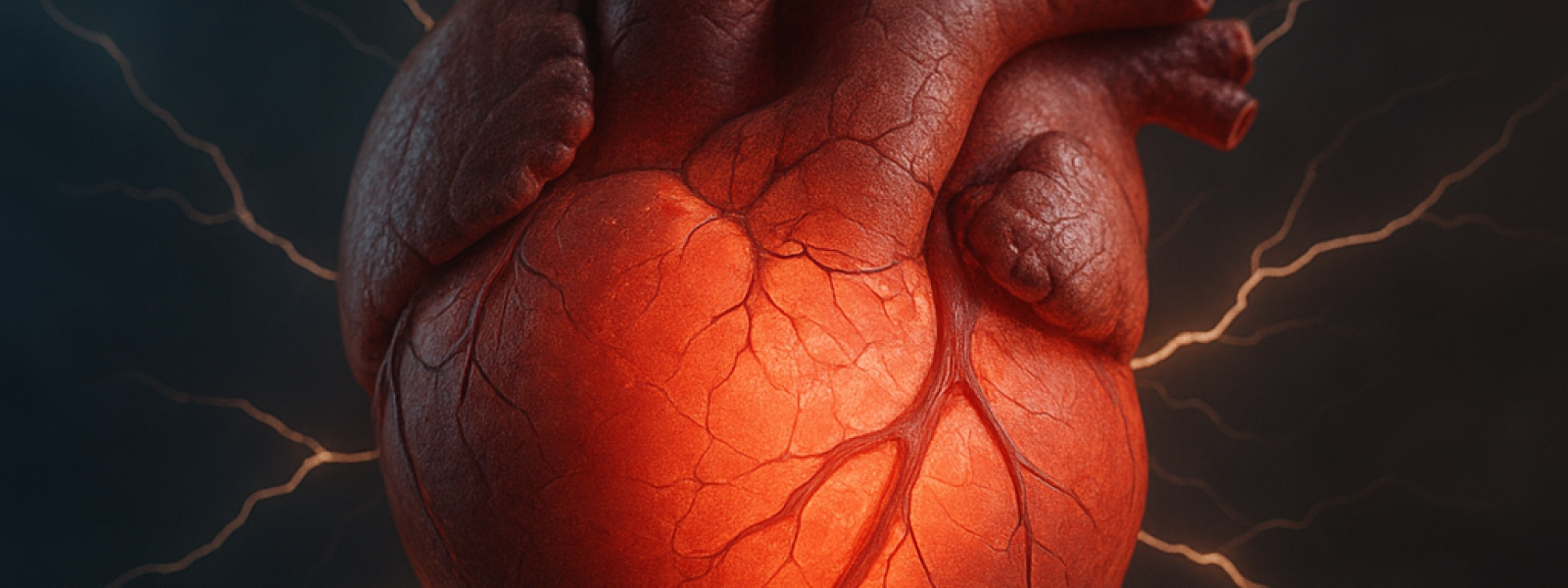
Most people know that stress feels bad. The tight chest before a difficult conversation, the racing heart during a work crisis, the shallow breathing that comes with financial worry — these sensations are familiar to almost everyone. What feels less intuitive is that these moments, especially when they repeat day after day over months or years, can quietly reshape the cardiovascular system in ways that significantly increase the risk of serious heart disease.
This isn’t about a single stressful day. It’s about what happens when the body’s stress response becomes a near-constant background hum — and how that sustained activation chips away at heart health in ways that researchers are only now fully beginning to understand.
The Biology Behind Stress and Your Heart
To understand why chronic stress damages the heart, it helps to understand what stress actually does physiologically. When the brain perceives a threat — whether it’s a lion on the savannah or an angry email from a manager — it triggers what’s commonly known as the “fight or flight” response. The hypothalamic-pituitary-adrenal (HPA) axis activates, flooding the body with stress hormones including cortisol and adrenaline (epinephrine).
These hormones are extraordinarily useful in short bursts. They sharpen focus, increase strength, and prepare the body to either confront a threat or flee from it. In the short term, the cardiovascular effects are measurable but temporary: heart rate increases, blood vessels constrict, and blood pressure rises. Once the threat passes, the body recovers and returns to baseline.
The problem begins when the stress never fully resolves. With chronic stress, cortisol and adrenaline remain elevated for extended periods. The body is essentially stuck in a state of mild emergency — and the cardiovascular system bears much of the burden. Understanding how the body responds to stress helps explain why these sustained hormonal changes can have such far-reaching consequences.
Cortisol and the Cardiovascular System
Chronically elevated cortisol has several damaging effects on the heart and blood vessels. It promotes inflammation throughout the body, increases blood sugar levels, encourages fat deposits — particularly around the abdomen — and interferes with the body’s ability to regulate blood pressure. Over time, these changes create the exact biological conditions associated with a significantly higher risk of heart disease.
Research published in Heart and Mind, a cardiovascular journal, has demonstrated that psychosocial stress is an independent risk factor for major cardiovascular events — meaning it contributes to heart disease risk even after accounting for other factors like diet, smoking, and sedentary behaviour.
How Chronic Stress Raises Blood Pressure
One of the most direct pathways between stress and heart disease runs through blood pressure. When the body is under stress, blood vessels narrow (a process called vasoconstriction), and the heart pumps harder to push blood through. This is efficient in an emergency. But when it happens repeatedly or continuously, the constant pressure begins to damage artery walls.
Hypertension — chronically high blood pressure — is one of the leading risk factors for heart attacks, strokes, and heart failure. The American Heart Association has explicitly acknowledged the link between chronic stress and elevated blood pressure, noting that the behaviours often associated with stress (poor sleep, overeating, reduced physical activity, increased alcohol consumption) compound the direct physiological effects.
It’s worth noting that stress doesn’t need to cause hypertension directly to matter. Even temporary blood pressure spikes, repeated frequently enough, contribute to arterial wear and tear over time. The repeated mechanical stress on vessel walls can promote the development of atherosclerosis — the gradual narrowing and hardening of arteries that underlies most heart attacks.

Inflammation: The Hidden Mechanism
Inflammation has emerged as one of the central mechanisms connecting psychological stress to cardiovascular disease. Chronic stress elevates levels of inflammatory markers such as C-reactive protein (CRP) and interleukin-6, both of which are associated with higher rates of cardiovascular events.
Atherosclerosis — once thought of as simply a problem of cholesterol and fat — is now understood to be fundamentally an inflammatory disease. Plaques form on artery walls partly as a result of immune responses, and chronic inflammation accelerates that process. When a plaque ruptures, it can trigger a clot that blocks blood flow entirely, causing a heart attack or stroke.
Stress doesn’t just promote inflammation through hormonal pathways. It also tends to disrupt sleep, which itself drives inflammatory processes linked to chronic disease. And it activates the sympathetic nervous system in ways that directly influence how immune cells behave. The interconnections are numerous, and together they create a powerful cumulative effect on cardiovascular risk.
Can Stress Actually Cause a Heart Attack?
This is a question many people ask — and the honest answer is: yes, under certain circumstances, acute stress can trigger a heart attack, even in people who appear otherwise healthy. The condition known as Takotsubo cardiomyopathy (sometimes called “broken heart syndrome”) is a striking example. It occurs when a sudden, severe emotional shock causes part of the heart muscle to temporarily weaken, mimicking a heart attack. While it is often reversible, it can occasionally be fatal.
More commonly, acute stress acts as a trigger in people who already have underlying cardiovascular disease. Studies have shown that emotionally intense events — the loss of a loved one, a natural disaster, intense anger — can precipitate heart attacks in vulnerable individuals by causing coronary artery spasm, increasing blood clot formation, or triggering dangerous arrhythmias.
For people with no pre-existing heart disease, a single stressful event is unlikely to cause a heart attack. But chronic stress, by steadily building up cardiovascular risk factors over years, makes the heart progressively more vulnerable to exactly these kinds of acute triggers.
Can PTSD Cause a Heart Attack?
Post-traumatic stress disorder (PTSD) represents one of the more extreme ends of the stress-heart disease relationship. Research has consistently found that people with PTSD have significantly higher rates of cardiovascular disease compared to the general population. A meta-analysis of over 200,000 individuals found that PTSD was associated with a roughly 27% increased risk of cardiovascular events.
The mechanisms are thought to involve both the direct physiological effects of chronically dysregulated stress responses and the lifestyle factors common in PTSD — disrupted sleep, higher rates of smoking and alcohol use, and reduced physical activity. There is also evidence that PTSD is associated with accelerated biological ageing, including changes in arterial stiffness and heart rate variability.
The Role of Stress-Related Behaviours
Stress doesn’t only affect the heart directly through hormones and inflammation. It also shapes behaviour in ways that compound cardiovascular risk. People under chronic stress are more likely to:
- Sleep poorly — sleep deprivation raises blood pressure, promotes inflammation, and disrupts glucose metabolism
- Eat a less healthy diet — high-calorie, processed comfort foods are a common stress response
- Reduce physical activity — fatigue and low mood often accompany chronic stress, making exercise feel harder
- Smoke or increase alcohol intake — both of which directly increase cardiovascular risk
- Neglect medical care — people overwhelmed by stress are less likely to attend check-ups or take prescribed medication consistently
These behavioural effects interact with the direct physiological effects in complex ways. It is often difficult to disentangle how much cardiovascular damage comes from stress itself versus the behaviours stress drives — but from a practical standpoint, the distinction matters less than addressing both together.
How Pain Adds to Cardiovascular Stress
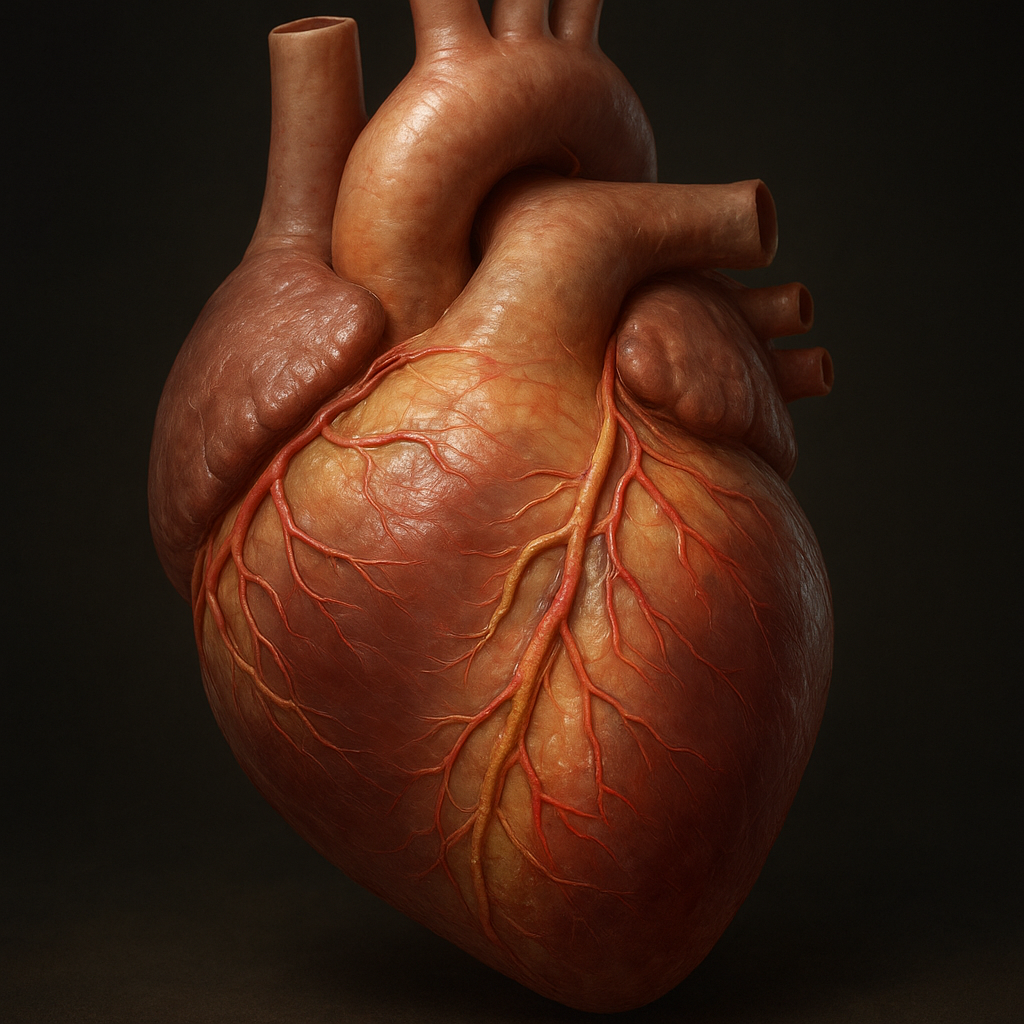
It’s worth addressing another commonly asked question: whether physical pain itself stresses the heart. The answer is yes — chronic pain activates many of the same stress pathways as psychological stress. It raises cortisol, promotes inflammation, disrupts sleep, and keeps the sympathetic nervous system in a heightened state of activation. People living with chronic pain conditions have elevated cardiovascular risk, partly through these mechanisms.
This creates a difficult feedback loop: chronic pain causes stress, which promotes inflammation, which can worsen pain — and all the while, the cardiovascular system is under sustained strain. Managing pain effectively isn’t just about comfort; it has genuine cardiovascular implications.
What Can Actually Help
Understanding the mechanisms of stress-related cardiovascular damage points fairly clearly towards what kinds of interventions are likely to help. The evidence is strongest for the following approaches:
- Regular physical exercise — one of the most powerful stress-reduction tools available, with direct cardiovascular benefits including lower resting blood pressure and improved heart rate variability
- Mindfulness-based stress reduction (MBSR) — clinical trials have shown reductions in blood pressure and inflammatory markers in people who complete MBSR programmes
- Quality sleep — prioritising consistent, adequate sleep (typically 7–9 hours for adults) has measurable benefits for both stress hormones and cardiovascular function
- Social connection — social isolation is an independent cardiovascular risk factor, and strong social ties appear to buffer the effects of stress on the body
- Cognitive behavioural therapy (CBT) — particularly for people with anxiety, depression, or PTSD, psychological treatment has been shown to improve cardiovascular outcomes
- Reducing stimulants — cutting back on caffeine, alcohol, and nicotine can meaningfully reduce the cardiovascular load during periods of high stress
None of these are quick fixes, and none of them eliminate stress from life entirely — which is neither possible nor desirable. What they do is shift the body’s baseline, reducing the duration and intensity of stress responses and improving cardiovascular resilience over time.
A Note on Individual Variation
It’s important to acknowledge that people respond to stress differently, and those differences matter for cardiovascular risk. Genetic factors influence how sensitive the HPA axis is to perceived threats. Early life experiences shape stress response systems in lasting ways. Social and economic circumstances determine both the degree of chronic stress people experience and their access to recovery resources.
This means that two people experiencing ostensibly the same stressor may end up with very different cardiovascular outcomes — not because one is “handling it better” as a matter of personal strength, but because of deep biological and contextual differences. This is worth keeping in mind when thinking about stress and heart health: it is not simply a matter of attitude.
Conclusion
Chronic stress is not a soft risk factor for heart disease. The evidence linking sustained psychological stress to elevated blood pressure, accelerated atherosclerosis, increased inflammation, and higher rates of heart attack and stroke is substantial and continues to grow. The mechanisms are multiple and interacting — hormonal, inflammatory, behavioural, and neurological — which is part of why the cardiovascular effects of chronic stress can accumulate so insidiously over time.
What emerges from the research is a fairly clear picture: the heart is not separate from the mind. Persistent fear, worry, grief, and overwhelm leave a physical mark on the cardiovascular system. Taking stress seriously — not as a sign of weakness, but as a genuine health concern — is an important part of protecting long-term heart health. Sleep, movement, connection, and psychological support are not luxuries; they are, at least in part, cardiac medicine.