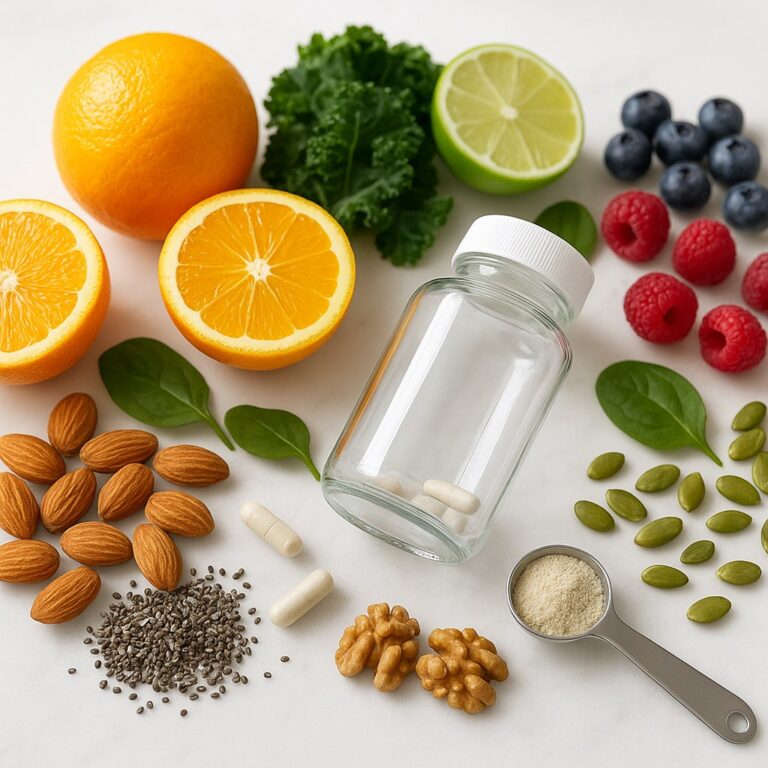

When it comes to maintaining a robust immune system, the conversation often centres on dramatic interventions—vitamin C megadoses at the first sign of a sniffle, or trendy supplements promising overnight immunity boosts. Yet the reality of immune health is far more nuanced and, frankly, more interesting. Your immune system isn’t a fortress that needs occasional reinforcement; it’s a dynamic, constantly working network that requires consistent nutritional support every single day.
Micronutrients—the vitamins and minerals we need in relatively small quantities—serve as the fundamental building blocks and regulatory switches for virtually every immune process in your body. From the production of antibodies to the maintenance of physical barriers like your skin and gut lining, these nutrients work behind the scenes in ways most of us never consider. Understanding their role isn’t just academic curiosity; it’s practical knowledge that can inform how you eat, supplement, and support your health throughout the year.
What Exactly Are Micronutrients and Why Do They Matter?
Micronutrients encompass vitamins, minerals, and trace elements that your body requires in milligram or microgram quantities—hence “micro.” Unlike macronutrients (carbohydrates, proteins, and fats), they don’t provide energy directly. Instead, they act as cofactors, coenzymes, and catalysts for the biochemical reactions that keep you alive and functioning.
The main role of micronutrients extends far beyond preventing deficiency diseases like scurvy or rickets. These compounds regulate gene expression, support cellular communication, protect against oxidative damage, and—crucially for our discussion—modulate immune responses. Without adequate micronutrient status, your immune system essentially operates with one hand tied behind its back.
Research published in the British Journal of Nutrition suggests that even marginal deficiencies—levels insufficient to cause classic deficiency symptoms—can impair immune function and increase susceptibility to infections. This subclinical insufficiency is remarkably common, particularly among older adults, those with restricted diets, and people living in northern latitudes with limited sun exposure.
The Seven Key Nutrients That Support Immune Function
Whilst the immune system relies on a broad spectrum of nutrients, seven stand out for their particularly well-documented roles in immune defence. Understanding these can help you make informed dietary choices.
Vitamin D: The Immune Modulator
Often mischaracterised as merely a bone-health vitamin, vitamin D functions more like a hormone with profound effects on immune regulation. It enhances the pathogen-fighting effects of monocytes and macrophages—white blood cells that form your first line of defence—whilst simultaneously decreasing inflammatory cytokine production.
Data from the UK’s National Diet and Nutrition Survey reveals that approximately 1 in 6 adults has vitamin D levels below the threshold for deficiency, with rates climbing during winter months. Given that vitamin D receptors exist on nearly all immune cells, maintaining adequate status (typically through a combination of sensible sun exposure, oily fish, fortified foods, and supplementation during autumn and winter) appears crucial for immune resilience.
Vitamin C: More Than Just Cold Prevention
Vitamin C supports various cellular functions of both the innate and adaptive immune systems. It stimulates the production and function of leukocytes, protects these cells from oxidative damage, and supports the skin’s barrier function against pathogens.
Contrary to popular belief, vitamin C doesn’t necessarily prevent colds in the general population, though regular supplementation may reduce their duration and severity. More importantly, this water-soluble vitamin isn’t stored in the body, meaning consistent daily intake through citrus fruits, berries, peppers, and leafy greens matters more than occasional high doses.
Zinc: The Gatekeeper of Immune Function
Zinc influences multiple aspects of the immune system, from the development of immune cells to the maintenance of skin and mucosal membranes. Even mild zinc deficiency can impair macrophage function, reduce T-cell numbers, and compromise antibody responses.
Approximately 17% of the global population is estimated to be at risk of inadequate zinc intake, with older adults, vegetarians, and those with digestive disorders facing particular risk. Oysters provide the richest dietary source, but meat, shellfish, legumes, and seeds also contribute meaningfully to zinc status.
Vitamin A: The Anti-Infective Vitamin
Vitamin A maintains the structural and functional integrity of mucosal cells in the respiratory, gastrointestinal, and genitourinary tracts—your body’s primary barriers against infection. It also plays essential roles in the development and differentiation of white blood cells.
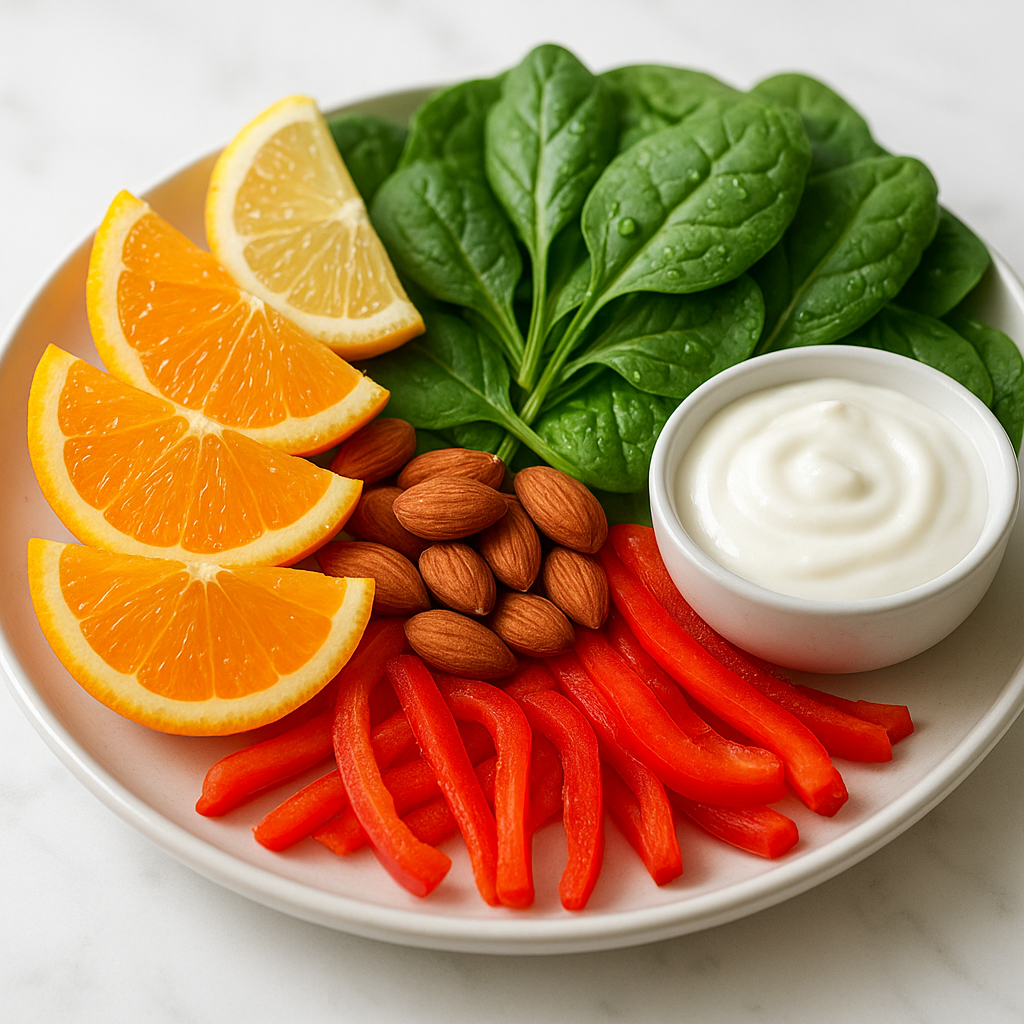
Deficiency remains common in developing countries but can occur in developed nations among those with fat-malabsorption disorders or extremely restrictive diets. Preformed vitamin A comes from animal products like liver and dairy, whilst beta-carotene (converted to vitamin A in the body) abounds in orange and dark green vegetables.
Vitamin E: The Antioxidant Defender
As a fat-soluble antioxidant, vitamin E protects cell membranes from damage caused by free radicals generated during immune responses. It enhances T-cell function, particularly in older adults, and supports the production of antibodies.
Deficiency is rare in healthy individuals but may occur with fat-malabsorption conditions. Nuts, seeds, and vegetable oils provide excellent sources, making adequate intake achievable through a varied diet.
Vitamin B6: The Metabolic Supporter
Vitamin B6 (pyridoxine) supports biochemical reactions in the immune system, particularly those involved in protein metabolism and the production of antibodies and cytokines. Deficiency can impair lymphocyte maturation and reduce antibody production.
Whilst severe deficiency is uncommon, marginal status may affect immune function, particularly in older adults. Good sources include poultry, fish, potatoes, chickpeas, and bananas.
Selenium: The Trace Element with Outsized Impact
Required only in microgram quantities, selenium nonetheless exerts powerful effects on immune function through selenoproteins that regulate oxidative stress and inflammation. Deficiency can impair immune cell function and increase virulence of certain viral infections.
Soil selenium content varies dramatically by region, affecting the selenium content of plant foods. Brazil nuts provide exceptionally rich sources, though seafood, meat, and eggs also contribute meaningfully.
The Gut-Immune Connection: Is 70% Really in Your Gut?
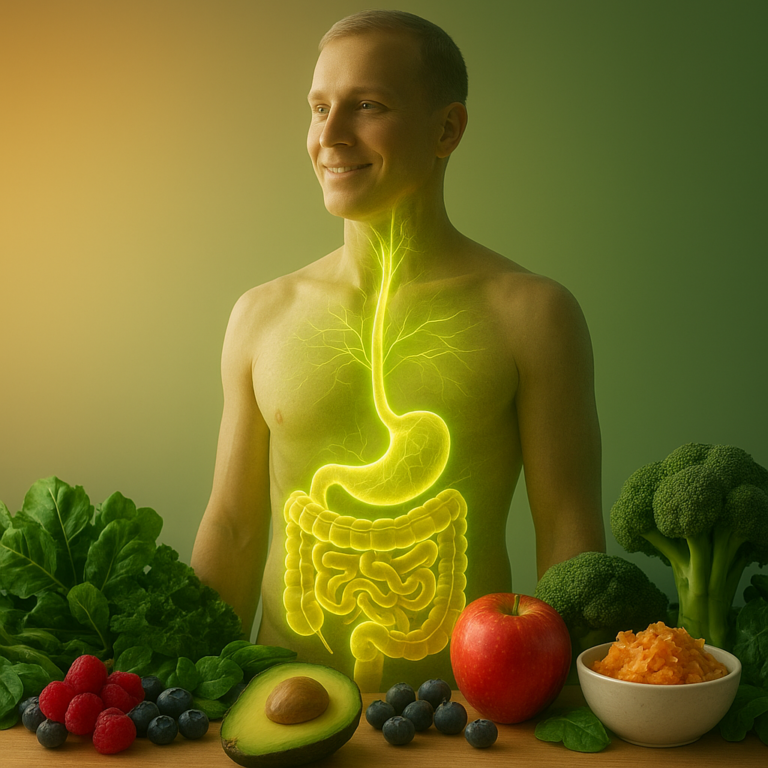
You’ve likely encountered the claim that 70% of your immune system resides in your gut. Whilst the exact percentage is difficult to verify scientifically, the underlying principle holds substantial truth. The gut-associated lymphoid tissue (GALT) represents the largest immune organ in the body, containing more immune cells than any other site.
Your gastrointestinal tract serves as a critical interface between the external environment and your internal physiology. Every day, it processes food antigens, commensal bacteria, and potential pathogens, requiring sophisticated immune surveillance to distinguish friend from foe. The gut microbiome—the trillions of bacteria inhabiting your intestines—plays an indispensable role in educating and regulating immune responses.
Micronutrients influence this gut-immune axis in multiple ways. Vitamin A and vitamin D help maintain the integrity of the intestinal barrier. Zinc supports the function of Paneth cells, which produce antimicrobial peptides in the gut. Meanwhile, B vitamins serve as essential cofactors for beneficial gut bacteria, influencing the production of short-chain fatty acids that modulate immune function throughout the body.
Supporting gut health through diverse, fibre-rich plant foods, fermented products, and adequate micronutrient intake creates a foundation for systemic immune resilience that extends far beyond the digestive tract.
How Micronutrient Needs Change Across the Lifespan
Immune function and micronutrient requirements don’t remain static throughout life—they evolve in response to physiological changes, lifestyle factors, and shifting health priorities.
Childhood and Adolescence
During periods of rapid growth and immune system development, adequate micronutrient status proves critical. Vitamin D supports immune tolerance development, potentially reducing allergy and autoimmune disease risk. Iron deficiency—common in toddlers and teenage girls—impairs immune cell proliferation and function.
Establishing diverse eating patterns early creates nutritional reserves and habits that support immune health into adulthood.
Adulthood and Pregnancy
Adult immune function faces challenges from stress, sleep deprivation, and environmental exposures. Pregnancy creates unique demands, with increased requirements for folate, iron, and vitamin D supporting both maternal immune adaptation and foetal immune system development.
Older Age
Immunosenescence—the gradual deterioration of immune function with age—interacts with micronutrient status in complex ways. Older adults often face reduced absorption efficiency, medication interactions, and decreased dietary variety. Vitamin B12, vitamin D, and zinc status frequently require particular attention in this population.
Research from Oregon State University’s Linus Pauling Institute suggests that micronutrient supplementation in older adults may help restore immune responses to more youthful levels, though food-first approaches remain preferable where possible.
Practical Strategies for Daily Micronutrient Support
Translating nutritional science into daily practice needn’t involve complicated regimens or expensive supplements. These evidence-informed strategies can help maintain optimal micronutrient status:
- Eat the rainbow: Different coloured fruits and vegetables provide distinct micronutrient profiles. Aim for at least five portions daily, varying colours across the week.
- Prioritise nutrient density: Choose whole foods over processed alternatives. An orange provides vitamin C plus fibre, flavonoids, and potassium—benefits absent from a vitamin C tablet.
- Consider your cooking methods: Water-soluble vitamins (C and B vitamins) leach into cooking water. Steam, microwave, or stir-fry vegetables rather than boiling them extensively.
- Pair nutrients strategically: Vitamin C enhances iron absorption from plant foods. Fat-soluble vitamins (A, D, E, K) absorb better when consumed with dietary fats.
- Address specific risk factors: If you follow a vegan diet, live at northern latitudes, or have digestive conditions, targeted supplementation may be warranted under professional guidance.
- Don’t overlook minerals: Whilst vitamins often dominate immune health discussions, minerals like zinc, selenium, and iron prove equally essential.
- Support nutrient absorption: Proper hydration plays a crucial role in transporting water-soluble vitamins and minerals throughout your body, supporting their absorption and utilisation in immune cells.
When Food Isn’t Enough: The Supplementation Question
Ideally, micronutrients should come from food, which provides complex matrices of nutrients working synergistically. However, certain situations warrant supplementation consideration:
Vitamin D supplementation is recommended for most UK adults during autumn and winter, given limited sunlight exposure. Vegans may require vitamin B12, and potentially zinc and iodine. Women planning pregnancy need folic acid. Older adults with reduced appetite or absorption may benefit from a broad-spectrum multivitamin.
The key lies in targeted, evidence-based supplementation rather than indiscriminate use of high-dose products. More isn’t always better—excessive zinc can impair copper absorption, whilst very high vitamin A intake during pregnancy carries teratogenic risks.
It’s also worth noting that certain vitamins function as hormone-like regulators in the body. Understanding how hormones influence wellbeing can provide additional context for appreciating how nutrients like vitamin D affect not just immunity, but also energy and mood regulation.
Conclusion
The role of micronutrients in supporting immune health daily extends far beyond preventing deficiency diseases. These essential compounds regulate immune cell development, maintain barrier integrity, modulate inflammatory responses, and protect against oxidative damage. The seven key nutrients—vitamins D, C, A, E, B6, zinc, and selenium—work in concert with dozens of others to maintain immune resilience.
Perhaps most importantly, immune health reflects cumulative daily choices rather than occasional heroic interventions. A varied, colourful diet rich in whole foods, attention to specific life-stage needs, and sensible supplementation where indicated create the foundation for robust immune function. By understanding and applying these principles, you support not just your immune system, but your overall vitality and wellbeing throughout life.