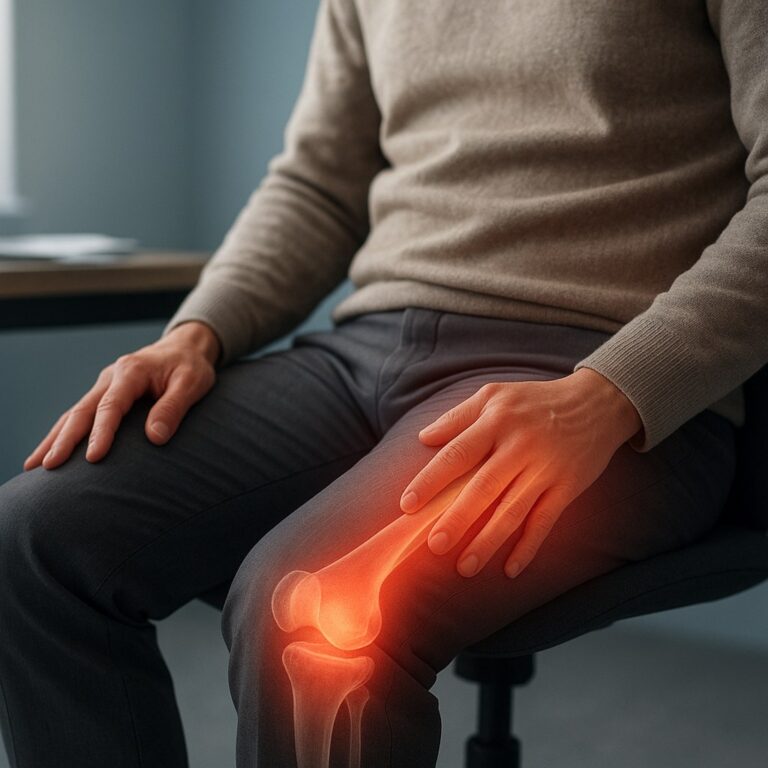
Most of us know that sitting for long stretches isn’t great for the waistline or the heart. Fewer people realise what it quietly does to the joints. The human body was built for movement, and when movement disappears from daily life, the structures that keep us mobile — cartilage, synovial fluid, ligaments, and the muscles surrounding each joint — begin to change in ways that can take years to reverse.
With desk work now the norm for millions and screen time at record levels, understanding the impact of sedentary behaviour on joint health over time has never been more relevant. This article explores what actually happens inside your joints when you sit too much, how it connects to conditions like osteoarthritis, and what practical steps can protect your mobility for decades to come.
What Counts as Sedentary Behaviour?
Sedentary behaviour isn’t simply “not exercising”. It refers to any waking activity performed while sitting, reclining, or lying down that expends very little energy — typically less than 1.5 metabolic equivalents (METs). That means a person who goes to the gym for an hour each morning but then sits at a desk for nine hours is still considered highly sedentary. Researchers sometimes call this the “active couch potato” phenomenon.
According to the World Health Organization, around 1.4 billion adults worldwide — roughly 27.5% of the global adult population — do not meet recommended physical activity levels. In the UK, surveys suggest adults spend an average of nine to ten hours per day sitting, a figure that rose sharply during the shift to remote working.
How Joints Actually Work (And Why They Need Movement)
To understand why stillness is so damaging, it helps to know a little about joint biology. Unlike most tissues in the body, articular cartilage — the smooth, rubbery tissue covering the ends of bones — has no direct blood supply. It receives its nutrients through a process often compared to a sponge: when a joint moves and bears load, synovial fluid is squeezed in and out of the cartilage, delivering oxygen and nutrients while flushing away waste products.
When a joint stays still for hours, this pumping action stops. Cartilage receives less nourishment, metabolic waste accumulates, and the tissue gradually becomes thinner and less resilient. Meanwhile, the muscles that stabilise the joint weaken, the ligaments stiffen, and the range of motion quietly shrinks.
The Long-Term Effects of Sitting on Joint Health
Cartilage Degeneration and Osteoarthritis Risk
Osteoarthritis is the most common joint condition in the UK, affecting an estimated 8.75 million people. While age, genetics, and previous injury all play a role, research increasingly points to sedentary behaviour as a significant contributing factor. A study published in Cureus found associations between sedentary lifestyles and increased osteoarthritis prevalence, partly because inactivity promotes the low-grade systemic inflammation and metabolic changes that accelerate cartilage breakdown.
There’s also an important nuance here: cartilage that is never loaded becomes weaker, not stronger. Just as bone density responds to weight-bearing exercise, cartilage thickness and quality respond to regular, moderate mechanical stress. Complete rest is not protective — it’s degenerative.
Muscle Weakness and Joint Instability
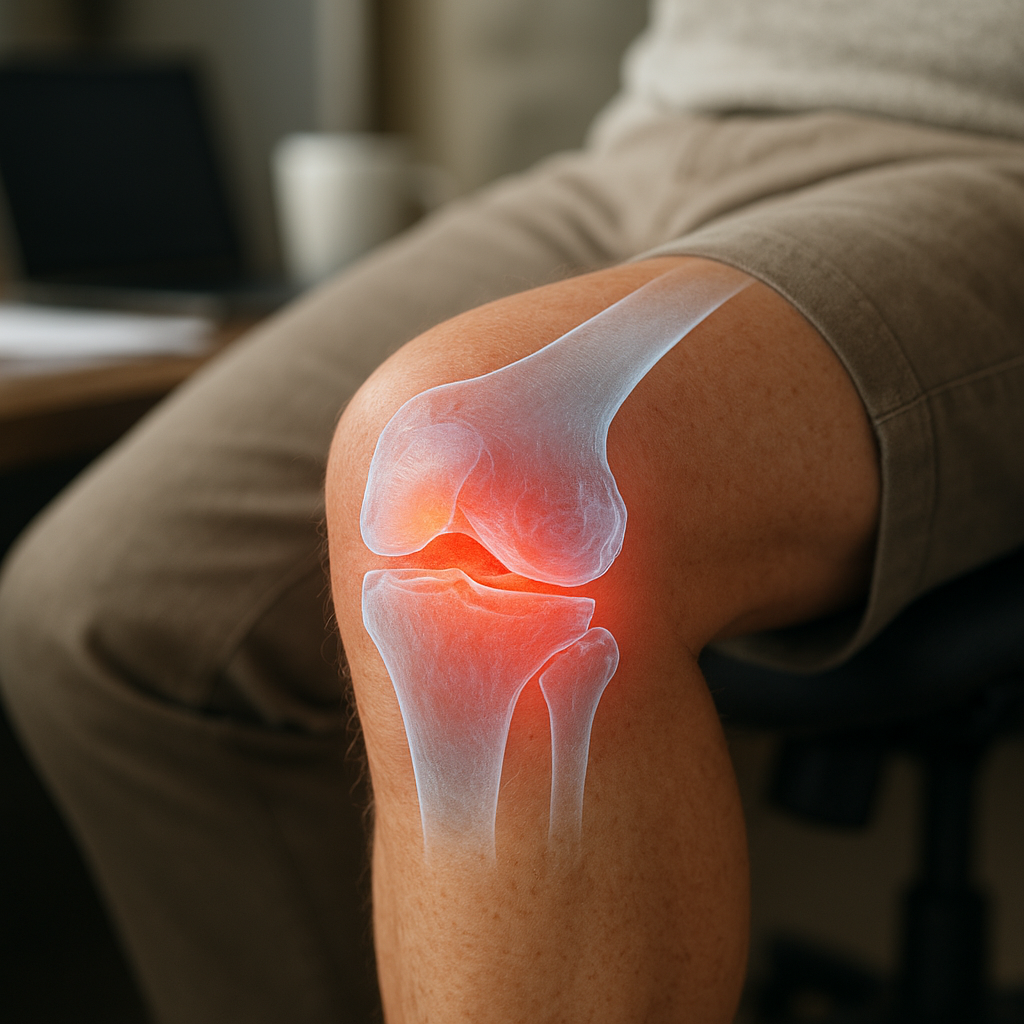
Joints don’t function in isolation. The quadriceps, hamstrings, glutes, and core muscles act as shock absorbers for the knees and hips. When these muscles weaken through disuse — a process that can begin within days of reduced activity — more force is transferred directly onto the joint surfaces with every step. Studies have shown that quadriceps weakness is one of the strongest predictors of knee osteoarthritis progression, independent of body weight.
Weight Gain and Increased Joint Load
Sedentary behaviour and weight gain tend to travel together, and the mechanical consequences for joints are substantial. Every additional kilogram of body weight places roughly four kilograms of extra pressure on the knees during walking. Over years, this multiplied load accelerates wear on cartilage that is already undernourished from lack of movement. Obesity also promotes chronic inflammation through adipose tissue, which releases inflammatory cytokines that can damage joints throughout the body — including those that bear no weight at all, such as the hands.
Stiffness, Reduced Range of Motion, and Postural Strain
Anyone who has stood up after a long car journey knows the feeling: stiff hips, an aching lower back, knees that protest the first few steps. Occasional stiffness resolves quickly, but habitual sitting creates lasting changes. Hip flexors shorten and tighten, the gluteal muscles become inhibited, and the thoracic spine rounds forward. Over time, these adaptations alter gait and posture in ways that place uneven stress on the knees, hips, and lumbar spine — setting the stage for chronic pain and degenerative change.
Can You Stop Osteoarthritis From Getting Worse?
This is one of the most common questions people ask after a diagnosis, and the answer is genuinely encouraging. While existing cartilage damage cannot be fully reversed, the progression of osteoarthritis can often be slowed dramatically — and symptoms significantly improved — through lifestyle change.
The evidence consistently supports three pillars:
- Regular, appropriate exercise. Strengthening the muscles around affected joints reduces load and improves stability. Programmes combining strength training, aerobic activity, and flexibility work have been shown to reduce pain and improve function as effectively as some medications, without the side effects.
- Weight management. Losing even 5–10% of body weight can produce meaningful reductions in knee pain and slow radiographic progression of the disease.
- Breaking up sitting time. Research suggests that interrupting prolonged sitting every 30 minutes with even two to three minutes of light movement improves metabolic markers and keeps synovial fluid circulating.
The key message is that osteoarthritis is not an inevitable one-way decline. It responds to how you live.
What Exercises Should You Avoid With Knee Arthritis?
Contrary to old advice, people with knee arthritis should not avoid exercise altogether — but some activities deserve caution, particularly during flare-ups:
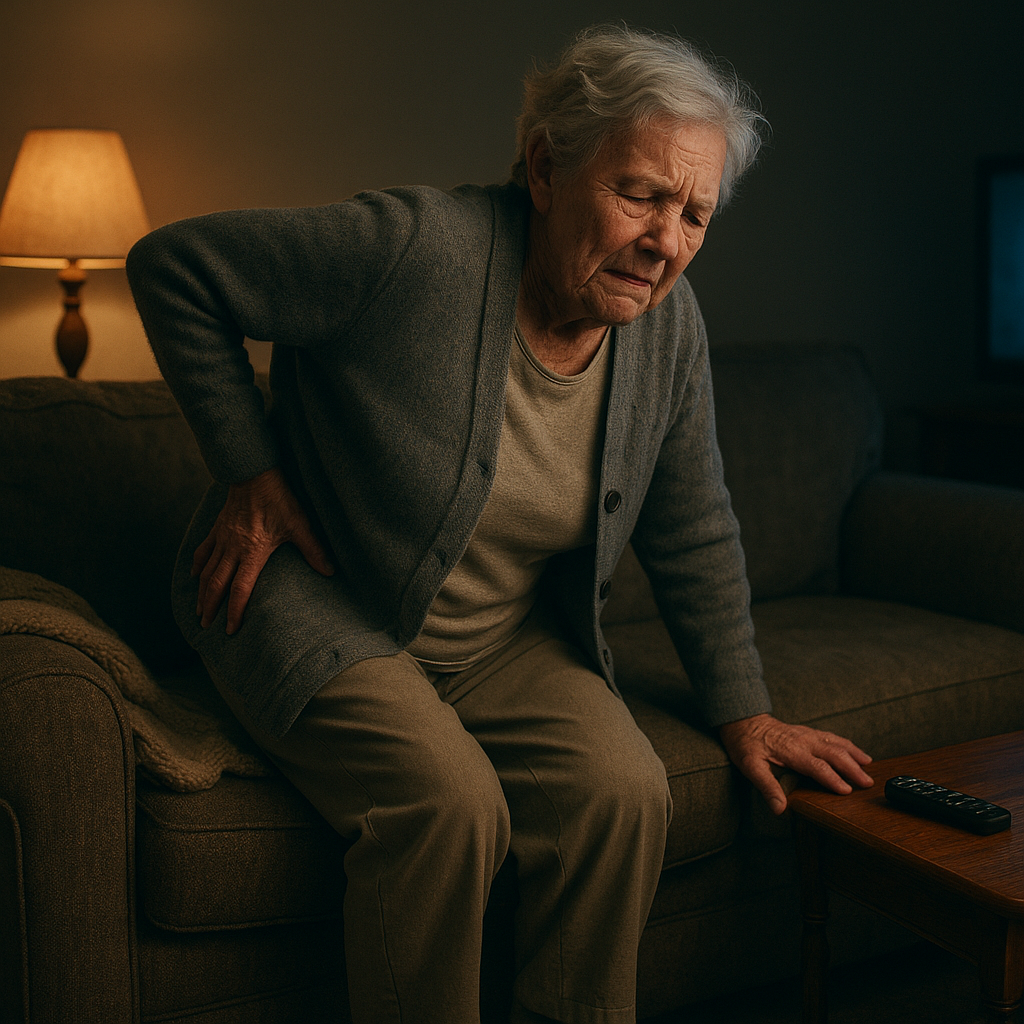
- High-impact activities such as running on hard surfaces, jumping, and plyometric training can aggravate symptoms in moderate to severe cases.
- Deep squats and lunges performed with poor form or excessive depth place high compressive forces on the patellofemoral joint.
- Prolonged kneeling or repetitive stair climbing may irritate already inflamed joints.
Better alternatives include swimming, cycling, walking on softer surfaces, tai chi, and targeted strength work guided by a physiotherapist. The general rule is that mild discomfort during exercise is acceptable, but pain that persists for hours afterwards suggests the load was too high.
Practical Ways to Prevent Arthritis and Protect Your Joints
Prevention is far easier than treatment, and the habits that protect joints are refreshingly unglamorous:
- Move little and often. Set a timer to stand, stretch, or walk for a few minutes every half hour. These micro-breaks matter more than most people realise.
- Build strength twice a week. Strong muscles are the best insurance policy your joints will ever have. Bodyweight exercises, resistance bands, or light weights all count.
- Maintain a healthy weight. The load maths is unforgiving — small reductions in weight produce outsized reductions in joint stress.
- Optimise your workspace. A chair that supports the natural curve of the spine, a screen at eye level, and feet flat on the floor reduce sustained strain on the neck, back, and hips.
- Eat for joint health. Diets rich in oily fish, colourful vegetables, olive oil, and whole grains — broadly the Mediterranean pattern — are associated with lower levels of inflammatory markers linked to joint degeneration.
- Prioritise sleep. Tissue repair, including cartilage maintenance, happens predominantly during deep sleep. If you struggle to get consistent, high-quality rest, improving your sleep quality can make a measurable difference to recovery and overall health.
Living Well With Knee Osteoarthritis
For those already managing knee osteoarthritis, daily life is about working with the condition rather than surrendering to it. Pacing activities — alternating busier periods with rest — helps avoid the boom-and-bust cycle that worsens flares. Supportive footwear with cushioned soles reduces impact, while simple aids such as walking poles can offload the knees on longer walks. Heat tends to ease stiffness in the morning; ice can calm inflammation after activity.
Perhaps most importantly, staying socially and physically active protects mental wellbeing. Chronic joint pain carries a well-documented risk of low mood and isolation, which in turn reduces activity levels and accelerates decline. Persistent psychological strain also takes a physical toll — understanding what chronic stress does to the body can be a useful motivator for early intervention. Breaking that cycle early — even with short, gentle walks — pays dividends far beyond the joint itself.
Conclusion
The impact of sedentary behaviour on joint health over time is gradual, cumulative, and largely invisible — until it isn’t. Cartilage starved of movement thins and weakens, stabilising muscles waste away, excess weight multiplies joint load, and stiffness hardens into lasting restriction. Together, these changes create fertile ground for osteoarthritis and chronic pain.
Yet the same research that reveals the problem also points to the solution. Joints respond remarkably well to regular, moderate movement at any age. Breaking up sitting time, building strength, managing weight, and choosing joint-friendly activities can slow degeneration, ease symptoms, and preserve mobility well into later life. The body keeps score of how we treat it — and when it comes to joints, every small movement counts.