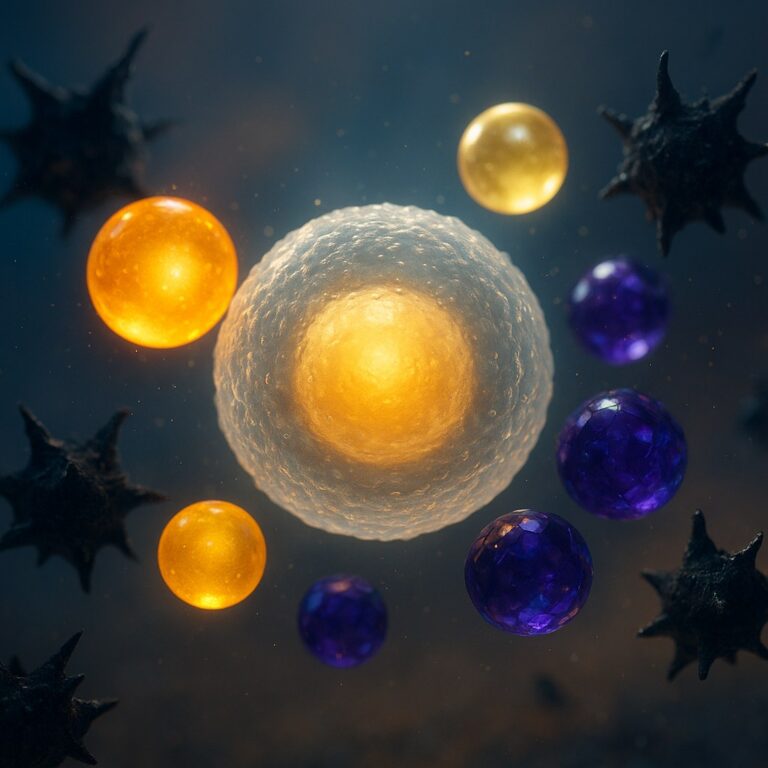
Every second of every day, your cells face an invisible assault. Environmental pollutants, ultraviolet radiation, processed foods, and even the simple act of breathing generate unstable molecules called free radicals, which chip away at cellular integrity. This relentless oxidative stress is a primary driver of cellular ageing, contributing to everything from fine lines and wrinkles to more serious degenerative conditions. While the concept of antioxidants is hardly new, emerging research suggests that understanding and optimising our antioxidant defences has never been more critical for maintaining cellular health and longevity.
Understanding Oxidative Stress: The Root of Cellular Ageing
Before exploring why antioxidants matter, it helps to understand precisely what they are fighting against. Oxidative stress occurs when there is an imbalance between free radical production and the body’s ability to neutralise these reactive oxygen species (ROS). Free radicals are molecules with unpaired electrons, making them highly unstable and reactive. In their quest for stability, they steal electrons from nearby molecules, including DNA, proteins, and lipid membranes, causing cellular damage.
This process accelerates cellular senescence—the point at which cells stop dividing and functioning optimally. Research published in the Journal of Investigative Dermatology indicates that oxidative stress contributes significantly to both intrinsic (chronological) and extrinsic (environmental) ageing. The mitochondria, often called the powerhouses of cells, are particularly vulnerable. As mitochondrial function declines due to oxidative damage, energy production decreases, and the accumulation of cellular debris increases, creating a vicious cycle of accelerated ageing.
Why Antioxidants Are More Crucial Now Than Ever Before
The Modern Onslaught of Environmental Stressors
Contemporary life exposes us to unprecedented levels of oxidative stress. Air pollution, which contains particulate matter and polycyclic aromatic hydrocarbons, generates free radicals upon contact with skin and respiratory tissues. A study in Nature estimated that air pollution contributes to approximately 4.2 million premature deaths annually, partly through oxidative mechanisms.
Beyond outdoor pollution, indoor environments present their own challenges. Volatile organic compounds (VOCs) from household products, constant exposure to blue light from screens, and high levels of psychological stress all elevate cortisol, which in turn increases free radical production. The World Health Organization has recognised environmental pollutants as a significant factor in premature cellular ageing, making antioxidant defence systems more vital than in previous generations.
Dietary Shifts and Nutritional Gaps
Modern dietary patterns have shifted dramatically towards processed foods, which are often stripped of natural antioxidants while containing pro-oxidant compounds such as advanced glycation end products (AGEs) and trans fats. The typical Western diet provides only a fraction of the polyphenols, carotenoids, and vitamins that our ancestors consumed through diverse, plant-rich diets.
Research suggests that approximately 75% of adults do not consume the recommended daily intake of fruits and vegetables, creating a significant antioxidant gap. This deficiency leaves cells vulnerable to damage at a time when environmental insults are at their peak.
How Antioxidants Combat Cellular Ageing: The Molecular Mechanisms
Antioxidants function as cellular bodyguards, neutralising free radicals before they can inflict damage. They work through several sophisticated mechanisms:
- Electron donation: Antioxidants safely donate electrons to free radicals without becoming destabilised themselves, effectively disarming these reactive molecules.
- Enzyme activation: Certain antioxidants stimulate the production of endogenous antioxidant enzymes such as superoxide dismutase (SOD), catalase, and glutathione peroxidase—the body’s first line of defence.
- Metal chelation: Some antioxidants bind to metal ions like iron and copper, preventing them from catalysing the formation of hydroxyl radicals, among the most destructive ROS.
- Gene expression modulation: Emerging research indicates that certain antioxidants can influence the expression of genes involved in cellular repair and longevity pathways, including sirtuins and Nrf2 pathways.
The skin, as the body’s largest organ and primary environmental barrier, illustrates these mechanisms vividly. Topical and dietary antioxidants help maintain collagen integrity, prevent the breakdown of elastin fibres, and protect against UV-induced DNA damage that leads to photoageing.
Key Antioxidants for Cellular Health and Longevity
Vitamin C (Ascorbic Acid)
Vitamin C remains one of the most researched antioxidants for skin health. It plays a crucial role in collagen synthesis, regenerates vitamin E, and protects against UV-induced photodamage. Clinical studies demonstrate that consistent vitamin C intake can improve skin elasticity and reduce the appearance of wrinkles by up to 20% over three months. For cellular health broadly, vitamin C protects immune cells and supports mitochondrial function.
Vitamin E (Tocopherol)
As the primary fat-soluble antioxidant in cell membranes, vitamin E protects lipids from peroxidation. It works synergistically with vitamin C, which regenerates oxidised vitamin E, extending its protective capacity. This vitamin is particularly important for protecting neural tissues and maintaining cardiovascular health as we age.
Polyphenols and Flavonoids
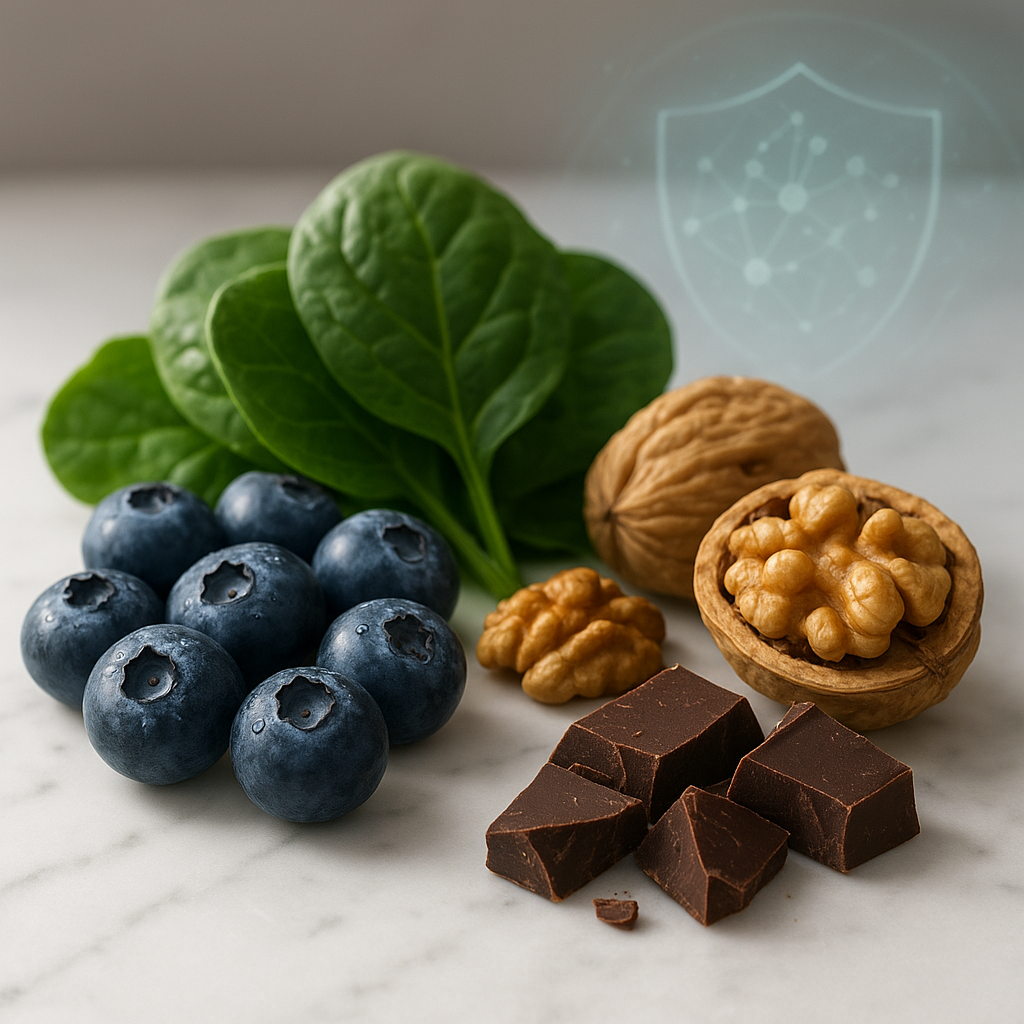
Found abundantly in berries, dark chocolate, green tea, and colourful vegetables, polyphenols offer potent anti-ageing benefits. Resveratrol, found in red wine and grapes, activates sirtuins—proteins associated with longevity. Epigallocatechin gallate (EGCG) from green tea has been shown to protect against DNA damage and support metabolic health. Curcumin, the active compound in turmeric, demonstrates powerful anti-inflammatory and antioxidant effects that may slow cellular senescence.
Coenzyme Q10 (CoQ10)
Levels of this crucial antioxidant decline significantly with age, dropping by approximately 50% between ages 20 and 80. CoQ10 is essential for mitochondrial energy production and protects against lipid peroxidation. Supplementation has shown promise in improving skin texture and reducing the depth of wrinkles in clinical trials.
Glutathione
Often called the “master antioxidant,” glutathione is produced intracellularly and recycles other antioxidants like vitamins C and E. It plays a vital role in detoxification processes and supporting immune health. Maintaining optimal glutathione levels through precursors like N-acetylcysteine (NAC) or liposomal supplementation may support cellular resilience against oxidative stress.
Dietary Sources vs. Supplementation: What Does the Evidence Say?
While antioxidant supplements flood the market, the scientific consensus emphasises obtaining these compounds through whole foods whenever possible. The “antioxidant paradox”—where isolated supplements sometimes fail to replicate the benefits of whole foods—suggests that antioxidants work best in complex biological matrices with synergistic compounds.
A comprehensive review in The Lancet found that while dietary antioxidants are consistently associated with reduced mortality and chronic disease risk, high-dose supplementation with isolated antioxidants sometimes produces null or even harmful effects. This highlights the importance of a food-first approach.
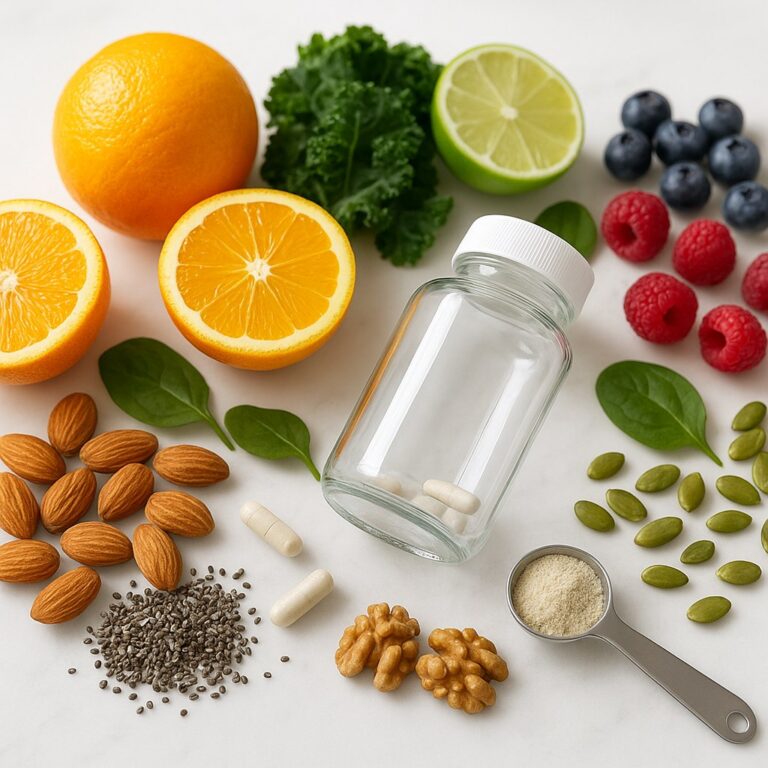
Exceptional sources include:
- Berries: Blueberries, strawberries, and blackberries provide anthocyanins with exceptional free radical-scavenging capacity.
- Dark leafy greens: Spinach, kale, and Swiss chard offer lutein, zeaxanthin, and beta-carotene.
- Nuts and seeds: Pecans, walnuts, and sunflower seeds provide vitamin E and selenium.
- Colourful vegetables: Bell peppers, tomatoes (rich in lycopene), and sweet potatoes (beta-carotene) protect against different types of oxidative damage.
- Green tea and dark chocolate: Rich sources of catechins and flavanols, respectively.
However, certain populations may benefit from targeted supplementation, particularly older adults with reduced absorption capacity, individuals with specific genetic polymorphisms affecting antioxidant enzyme production, or those with increased oxidative burdens due to chronic illness or intense physical training.
The Role of Antioxidants in Skin Anti-Ageing Effects
When considering the role of antioxidants in skin ageing, it is essential to recognise that the skin has its own unique antioxidant network. Topical application of antioxidants can complement dietary intake by providing direct protection where environmental damage occurs most intensely.
Vitamin C serums, for instance, have demonstrated the ability to reduce hyperpigmentation and stimulate collagen production when formulated at appropriate pH levels and concentrations (typically 10-20%). Vitamin E and ferulic acid stabilise vitamin C and double its photoprotective effects. Niacinamide (vitamin B3) improves skin barrier function and reduces oxidative stress-induced inflammation.
For those concerned with skin brightening—a related search query—the role of antioxidants extends beyond anti-ageing. Antioxidants like vitamin C, alpha-arbutin, and liquorice root extract inhibit tyrosinase, the enzyme responsible for melanin production, thereby reducing hyperpigmentation and promoting a more even skin tone without the risks associated with harsher bleaching agents.
Lifestyle Strategies to Enhance Your Antioxidant Defence System
Optimising cellular antioxidant capacity extends beyond diet alone. Several lifestyle factors profoundly influence oxidative stress levels:
Regular Physical Activity
Moderate, consistent exercise paradoxically increases antioxidant enzyme production through hormesis—the adaptive response to mild stress. However, excessive high-intensity exercise without adequate recovery can overwhelm antioxidant defences, highlighting the importance of balance.
Sleep Quality
During deep sleep, the glymphatic system clears metabolic waste from the brain, while cellular repair mechanisms activate. Chronic sleep deprivation significantly reduces glutathione levels and increases markers of oxidative stress.
Stress Management
Chronic psychological stress elevates cortisol and adrenaline, generating free radicals and depleting antioxidant reserves. Mindfulness practices, meditation, and time in nature have been shown to reduce oxidative stress markers measurably.
Avoiding Pro-Oxidant Behaviours
Smoking, excessive alcohol consumption, and prolonged UV exposure overwhelm even robust antioxidant systems. Smoking alone depletes vitamin C levels by approximately 25% per cigarette and introduces thousands of free radicals directly into the bloodstream.
Future Directions in Antioxidant Research
The field of antioxidant research continues to evolve rapidly. Scientists are now exploring “mitochondria-targeted antioxidants” such as MitoQ and SkQ1, which accumulate specifically within mitochondria to protect these vital organelles. Additionally, research into autophagy-enhancing compounds and senolytics—substances that clear senescent “zombie” cells—represents the next frontier in combating cellular ageing.
Personalised nutrition based on genetic profiles may soon allow individuals to identify specific antioxidant needs based on variations in genes encoding for antioxidant enzymes. This precision approach promises to move beyond one-size-fits-all recommendations towards optimised cellular protection strategies.
Conclusion
The importance of antioxidants for cellular ageing has never been clearer. As environmental stressors intensify and modern lifestyles challenge our biological defences, these molecular guardians offer crucial protection against the oxidative damage that accelerates ageing at the cellular level. From supporting skin health and maintaining mitochondrial function to potentially influencing longevity pathways, antioxidants represent a cornerstone of preventative health strategies.
While the market for antioxidant supplements continues to expand, the most effective approach remains rooted in colourful, diverse, whole-food nutrition combined with lifestyle practices that minimise oxidative burden. By understanding the mechanisms through which antioxidants protect cellular integrity and making informed choices about diet, skincare, and daily habits, it is possible to support the body’s natural defence systems effectively. As research advances, our ability to harness these compounds for healthier, more resilient ageing will only continue to improve.